



Why Wilson County Tennessee Land Attracts Buyers
Buyers look east of Nashville for land that holds value and Wilson County keeps showing up at the top of that list. The county mixes productive farmland, marketable timber, and lake access in one place. Good roads, interstates, and rail connections support farm inputs and commodity hauling, while nearby Lebanon and Mt. Juliet supply equipment dealers, feed stores, and labor. That means less downtime and more options for anyone running cattle, cropping, or a poultry operation.
Recreation sweetens the deal. Percy Priest Lake pulls in anglers and weekend families. Hardwood ridges hold whitetails and turkeys. Cedars of Lebanon State Park and State Forest bring trails, camping, and a proven tourism draw that underpins short term rental potential on the private side. For buyers who want to keep a property earning when they are not on it, hunting leases, selective timber harvest, hay sales, and U-pick produce are all realistic plays in this market.
Growth pressure from Nashville adds another layer. Tracts with solid soils and road frontage can pivot over time, giving investors a long runway of uses without forcing a quick decision. You can buy today for farming or recreation and still keep an eye on future homesites, barndominiums, or small agri-business builds. That blend of present utility and future flexibility is why Wilson County land stays in demand.
Natural Features That Draw Buyers To Wilson County Land
Percy Priest Lake Shoreline
Southern Wilson County borders one of Middle Tennessee’s signature lakes. Public ramps, marinas, and campgrounds support year round fishing and boating. Proximity to the lake boosts buyer interest for cabins, weekend farms, and small recreational tracts.
Cedar Glades and Karst
Thin soils over limestone create open glades with eastern redcedar and seasonal wildflowers. Karst features influence drainage and groundwater movement. These landscapes add biodiversity and give the county a recognizable natural identity.
Hardwood Ridges and Bottoms
Oak, hickory, and maple dominate uplands, while bottomland soils carry crop fields and hay. Selective harvests can produce periodic income. Mixed cover supports healthy deer and turkey populations across small and large tracts.
Timber, Poultry, and Row-Crop Investment Land
Timber Management
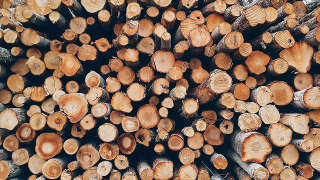
Hardwood stands of oak, hickory, and poplar respond well to thinning and selective harvest. A simple plan can sequence improvement cuts, wildlife openings, and access upgrades to keep stands healthy and marketable. Skid trails and landings double as food plot edges for deer and turkey, giving recreational value between harvests. For buyers new to timber, Wilson County has regional foresters, loggers, and mills, plus good county roads for moving loads during dry windows. The result is a tract that earns quietly over decades while improving wildlife habitat.

Poultry Operations
Existing broiler complexes can provide predictable checks when managed well and kept within integrator specs. Houses pair with crop ground for litter utilization, reducing fertilizer bills and improving soil tilth. Buyers look closely at utility capacity, integrator contracts, equipment age, and biosecurity layout before purchase. Upgrades like controllers, brooders, and cool cells often pencil out by improving efficiency and bird performance. On the land side, a clean traffic pattern, solid gravel, and easy-turning aprons save headaches in wet spells and hold resale value for the next owner.

Row Crops and Pasture
Corn, soybeans, hay, and small grains anchor local rotations. Gentle ground near creek bottoms offers reliable yields, while upland benches work for hay and grazing. Many owners lease fields to local operators to cover taxes and maintenance. Others run cow-calf or horse programs and direct-market hay to nearby stables. Simple improvements like fencing, field drains, and an equipment shed stretch the season and reduce weather risk. Close proximity to Lebanon and Mt. Juliet widens the buyer pool for farm products and keeps trucking distances short.
Wildlife, Hunting, and Fishing In Wilson County
Whitetail Deer
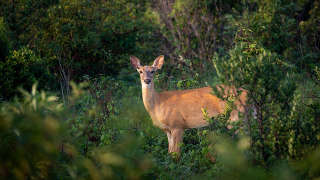
Mixed hardwoods and field edges create dependable bedding and feeding patterns. Selective harvest and small food plots keep deer on the property and improve age structure over time.

Eastern Wild Turkey
Openings near timber edges provide bugging habitat for poults and strut zones in spring. Roost trees along creeks and lake coves set up classic fly-down hunts at daylight.

Small Game
Rabbit, squirrel, and upland birds use brushy edges and early successional cover. Rotational mowing and thicket management keep these areas productive and fun for youth hunts.
Fishing on Percy Priest
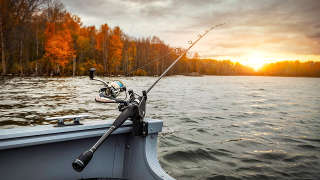
Largemouth, smallmouth, crappie, and catfish draw anglers throughout the year. Public access points make it easy to launch a boat, paddle a kayak, or fish the bank with kids.
Rural Living Near Nashville With Room To Breathe
Explore Land In Neighboring Tennessee Counties
Sumner County
Northwest of Wilson, Sumner blends Old Hickory Lake access with productive pasture and crop ground. Buyers seeking water recreation and easy Nashville commutes often compare these two counties.
Land for Sale in Sumner County, TennesseeRutherford County
South of Wilson, Rutherford mixes strong growth corridors with working farms and timber. Murfreesboro services and I-24 access create steady demand for homesites and investment tracts.
Land for Sale in Rutherford County, TennesseeSmith County
East of Wilson, Smith offers the Caney Fork River corridor, rolling timber, and quiet rural communities. Anglers and buyers seeking a slower pace often look here for value.
Land for Sale in Smith County, Tennessee
