Land for Sale in Meriwether County, Georgia

HUNTING, FARMING, AND INVESTMENT PROPERTIES

Stretching across west-central Georgia, this county blends fertile valleys, hardwood ridges, and open farmland that support both agriculture and recreation. The Flint River forms its western edge, offering prime fishing waters, while pine and hardwood timberlands make up much of the interior. Buyers look here for poultry farms, cattle pasture, and deer hunting tracts. The town of Warm Springs, once a retreat for President Franklin D. Roosevelt, gives the area a cultural identity that stands out from other rural counties.

  • 1 to 1 of 1
  • 1

Why Meriwether County Georgia Land Attracts Buyers

Buyers looking in west Georgia want usable acres, dependable access, and multiple ways to make the land pay. This county checks those boxes with a mix of pasture, row-crop ground, pine plantations, and hardwood bottoms tied together by a solid rural road network. The Flint River frames the west side, adding irrigation potential and year-round recreation. Small towns like Warm Springs, Manchester, and Greenville keep day-to-day needs close, while Atlanta and Columbus are within easy striking distance for work or weekend travel.

Investment-minded buyers appreciate that tracts here rarely do just one thing. A pine stand can carry a hunting lease. Crop fields can double as dove or deer plots. Creek frontage boosts habitat and resale value. Poultry complexes spin off litter for soil fertility and hay fields feed cattle through dry spells. Utilities are available on many county roads, and power co-ops are used to supporting farm and poultry loads.

For recreational owners, the blend of upland pines and hardwood drains supports strong deer and turkey numbers. The Flint River and feeder creeks provide fishing, paddling, and scenic buffers that protect privacy. For long-term holds, timber rotations, CUVA tax savings, and steady local demand provide a clear path to value. In short, this is practical land in a practical location, with enough diversity to fit working farms, weekend retreats, and portfolio plays without overcomplicating ownership.

Flint River, Pine Mountain edge, and Springs: Natural Features That Sell Land

Meriwether County sits where rolling Piedmont hills meet the Pine Mountain uplift. That geography creates well-drained uplands, shaded hardwood bottoms, and long creek corridors that hold wildlife and water. The Flint River defines the western boundary with sandy shoals, deep pools, and scenic bluffs. Across the interior, small tributaries feed beaver ponds and oxbows that shape fertile soils in nearby fields. Warm mineral springs and seeps dot the landscape near Warm Springs, a reminder of the area’s unique geology and its cultural tie to President Franklin D. Roosevelt. For buyers, these features translate into better habitat, reliable water, and more appealing tract layouts that keep privacy high and management options flexible.
Flint River Corridor

The river’s west-bank edge offers fishing for bass, catfish, and bream, plus sandbar access and scenic views. Shoals and deep bends create diverse habitat and stabilize riparian buffers. River-adjacent tracts often command premiums for recreation and water access potential.

Pine-Hardwood Uplands

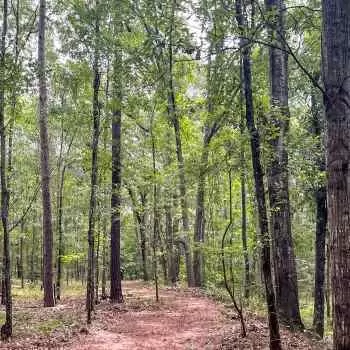
Well-drained ridges support loblolly pine stands and mixed oak-hickory. These uplands are easy to road, burn, and thin, which lowers management costs. Edge diversity between pines and hardwood draws deer and turkey and improves stand health over time.

Springs and Creek Bottoms

Clear creeks, spring seeps, and beaver-influenced wetlands add water reliability and fertile bottomland. These zones anchor food plots, travel corridors, and small impoundment sites. Shaded hardwoods boost mast production and improve summer cover for wildlife.

Timber, Poultry, and Row-Crop Investment Land

Investors come here for simple, proven land uses backed by nearby markets. Pine rotations are common on uplands, with access to Georgia wood buyers. Poultry houses, where sited correctly, can generate steady cash flow and supply litter for pasture fertility. Row-crop fields in the valleys handle cotton, corn, soybeans, and peanuts; many owners cross-stack cattle or hay to spread weather and market risk. For buyers new to the county, the playbook is straightforward: match soils and slopes to the right use, keep access solid, and use programs like CUVA to trim holding costs.
Timber Management
Timber Management

Loblolly pine thrives on local uplands, and mixed hardwoods add long-term value along drains. Typical rotations include first thinning, second thinning, and final harvest, with prescribed fire to control fuels and stimulate native understory. Owners often pair timber income with a hunting lease to offset taxes and road work. Proximity to mills helps on stumpage and trucking. Small patch cuts, streamside buffers, and travel lanes keep wildlife use high without sacrificing yields, making timber tracts a practical cornerstone for a land portfolio.

Poultry Operations
Poultry Operations

Broiler and breeder houses are established across the county where zoning, utilities, and integrator relationships line up. Well-chosen sites offer paved access, 3-phase power, reliable water, and space for litter storage and mortality management. Litter can be a fertilizer asset for hay and row-crop ground, closing the loop on nutrients. Buyers should budget for equipment upgrades and integrator specs during due diligence. When managed tightly, complexes can provide predictable cash flow with tangible asset backing in a region familiar with poultry logistics and labor needs.

Row Crops and Cattle

Bottoms and gentler slopes support cotton, corn, soybeans, peanuts, and small grains. Many owners split fields with bermudagrass hay or keep a modest cow-calf herd to diversify revenue and manage forage. Irrigation is limited but river and creek proximity can help with drought strategy where feasible and permitted. Well-planned fencing and lanes reduce labor and protect stream buffers. The combined system helps with cash flow seasonality and adds resale appeal because buyers can step into a working operation faster with multiple levers for income.

Wildlife, Hunting, and Flint River Fishing in Meriwether County

Habitat variety is the draw: pine ridges for bedding cover, oak bottoms for acorns, and edge fields for forage. Deer numbers are solid, and cool-season plots can pull daylight movement in the rut. Turkey like the mix of open lanes and mature hardwoods for bugging and roosting. Small game stays reliable along hedgerows and cutovers. On the water, the Flint River’s shoals and pools hold spotted and largemouth bass, channel cats, and bream. For buyers, that means fall bow stands, spring gobblers, summer river floats, and a reason to come back every season.
Whitetail Deer
Whitetail Deer

Mixed pine-hardwood and ag edges support consistent deer densities and age structure. Mast, food plots, and travel corridors along creeks set up predictable sits in the rut.

Wild Turkey
Wild Turkey

Mature hardwoods and open lanes make solid nesting and bugging habitat. Spring hunts benefit from ridgeline acoustics and creek-bottom travel patterns.

Small Game
Small Game

Rabbit and squirrel hunting stays reliable in cutovers, hedgerows, and oak flats. Managed field edges also help pockets of bobwhite quail where cover is maintained.

Flint River Fishing
Flint River Fishing

Shoals and deep bends hold spotted bass, largemouth, catfish, and bream. Summer wading and paddle access make quick after-work trips easy when river levels cooperate.

Warm Springs heritage, rural services, and easy weekend living

Life here runs at a workable pace. Warm Springs brings history and small-town dining; Greenville anchors county services; Manchester ties in rail and local industry. The F.D. Roosevelt story still touches the region, drawing visitors who in turn support local shops and seasonal events. For landowners, that means you can source feed, fencing, parts, and fuel without long detours, yet still unplug on a quiet ridge by sunset. Broadband coverage continues to improve along main corridors, which helps remote workers and farm data needs. Add in the short drive to Atlanta or Columbus, and you get a weekend-ready retreat that does real work during the week without giving up the peace and quiet people come here to find.

Explore Land in Neighboring West Georgia Counties

If you are comparing options, nearby counties offer similar soils and markets with different price points and development pressure. These three neighbors are common alternates for buyers targeting west-central Georgia.
Coweta County

Closer to metro growth with strong resale but higher entry costs. Good for smaller tracts and quick access to services while keeping a rural feel in outlying areas.

Land for Sale in Coweta County, Georgia
Harris County

Southwest neighbor with Pine Mountain scenery and heavy recreation appeal. Popular for timber, homesites, and proximity to F.D. Roosevelt State Park.

Land for Sale in Harris County, Georgia
Troup County

West of Meriwether with I-85 access and LaGrange services. Mix of timberland and estates; West Point Lake adds strong fishing and water recreation demand.

Land for Sale in Troup County, Georgia

FREQUENTLY ASKED QUESTIONS

What fishing opportunities are available in Meriwether County?

Meriwether County anglers enjoy both river and lake fishing. The Flint River offers bass, catfish, and bream, while smaller creeks provide seasonal runs of sunfish. Several public access points allow fishing from the bank or boat. Local anglers often favor spring and fall for the most active fishing.

Which crops grow best in Meriwether County?

Soils in this region support corn, soybeans, cotton, and peanuts. Small grains like wheat are also planted in rotation. Farmers often combine row crops with cattle grazing or hay production, making the land versatile for both commercial and family operations.

Is poultry farming common in Meriwether County?

Yes, poultry is an important part of the local economy. Broiler operations and breeder farms are scattered throughout the county. Many tracts for sale include existing poultry houses, while others have the right zoning and acreage for new construction.

What makes the Flint River valuable to land buyers?

The Flint River is a major natural asset for Meriwether County. It provides irrigation water for farmland, attracts hunters and anglers, and adds scenic beauty to rural tracts. Properties along the river often carry a premium because of their recreation and agricultural benefits.

Are timber investments strong in Meriwether County?

Yes, pine plantations are widely planted in this part of Georgia. Landowners grow loblolly pine for pulpwood and sawtimber markets. Hardwood stands add long-term value, and the proximity to mills makes timber tracts in Meriwether competitive with other counties in west Georgia.

How accessible is Meriwether County for buyers from Atlanta?

The county lies about an hour southwest of Atlanta, with access via I-85 and U.S. Highway 27. This makes it close enough for weekend trips yet rural enough to hold large tracts. Buyers from the city often choose Meriwether for a recreational retreat that is still easy to reach.

Georgia Trusted Land Professionals

Every county has its own feel — the land, the timber, the communities, and the opportunities that come with them. Working with people who know this ground firsthand makes everything easier. Whether you want to buy or sell, our team understands this county and how to match the right properties with the right buyers. They know the backroads, the soil types, the hunting spots, and the market trends that matter.