
Why Early County Georgia Land Attracts Buyers
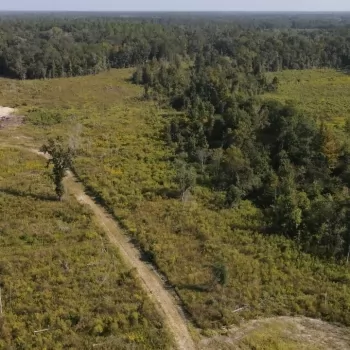
Buyers come for productive ground, year round recreation, and a calm cost of ownership. Access to the Chattahoochee River on the west side means irrigation potential, fishing, and scenic frontage that is rare this far south. Interior tracts mix sandy loam uplands with hardwood drains, giving you both row crop acres and wildlife cover on the same deed. The farm economy remains strong, with peanuts, cotton, and corn supported by local buying points, shellers, and gins that shorten the haul and steady cash flow.
Location helps. Blakely sits within easy reach of Dothan, AL, and the Albany farm hub, so inputs, equipment dealers, and processors are close. US 27 and state routes move grain, timber, and poultry efficiently. For investors, this adds resilience to rents and stumpage. For owner operators, it lowers fuel burn and downtime. Tracts along Kolomoki Creek and smaller feeder streams hold natural hardwood, while higher ground supports planted loblolly or slash pine, creating staggered harvests and multiple markets from pulpwood to sawtimber.
Recreation is not a side note here. Deer and turkey respond to the edge created where crops meet cover. Doves key on peanut residue. Quail benefit from field borders, thinned pine, and native grasses. The river adds catfish and bass, plus sandbar camping and small boat runs. Many buyers pair a homesite with income acres, using open ground for food plots or a small cattle set up while timber grows in the background. Taxes remain manageable, and conservation programs can offset habitat work.
The culture is practical and farm centered. You will see peanut wagons in season, church suppers, and high school ball under the lights. That translates to dependable labor, local know how, and neighbors who understand working land. If you want acreage that earns, hunts, and holds value, Early County offers a straightforward path without big city pressure or inflated carrying costs.
Natural Features That Bring Buyers To Early County GA
Chattahoochee River Frontage
Wide river bends create fishing lanes, sandbars, and cypress lined pockets that hold game. River tracts add privacy, boating access, and a cooling breeze in summer. Floodplain soils near the banks enrich bottomland timber and seasonal food sources for wildlife.
Sandy Loam Uplands
Well drained soils support peanuts, cotton, and corn with efficient field work after rain. These same sites excel for loblolly or slash pine, delivering fast growth and clean thinning rows. Gentle topography keeps equipment moving and reduces erosion risk.
Creek Bottom Hardwoods
Kolomoki and feeder creeks carve cool, shaded corridors with oak, gum, and cypress. Mast drops draw deer and turkey, and the cover buffers fields from wind. Bottoms add biodiversity and create natural travel routes for game across your tract.
Row Crops, Poultry Sites, and Timber Investment Land
Irrigated and Dryland Row Crops
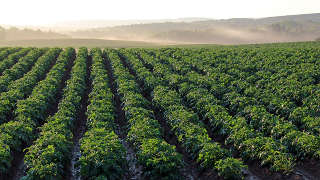
Peanuts thrive in sandy loam, with cotton and corn fitting rotation plans that protect soil health and market timing. Buyers can lease fields to established producers or farm directly with local support for inputs, equipment, and hauling. Center pivot potential near reliable water can raise yields and rent rates, while dryland acres still pencil with conservative budgets. Field edges double as dove and deer attractants after harvest, keeping recreational value high even as crops come off. Good access on county roads keeps trucks moving during peak season and reduces shrink from delays.
Poultry Farm Sites
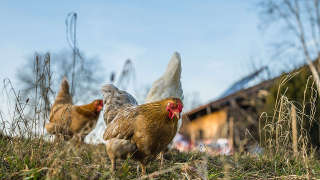
Broiler houses in this region benefit from mild winters and proximity to feed mills and processors. Suitable tracts offer open acreage, 3 phase power potential, reliable water, and room for biosecurity setbacks and litter management. Lenders familiar with local integrators can help structure build or upgrade plans. Owners gain steady contract income and can pair houses with row crop or timber acres for tax and labor efficiency. For smaller operations, a handful of houses can supplement farm revenue without taking on a full time grain program.
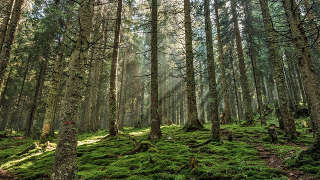
Pine and Mixed Hardwood Timber
Loblolly and slash pine deliver quick establishment, early thinning cash flow, and competitive final harvests. Hardwood along creeks adds mast, shade, and veneer potential on select stems. A simple plan of site prep, planting, pre commercial release, and timely first thinning builds value while improving quail and turkey habitat. Timber pairs well with food plots and periodic burning to open the understory. With multiple mills within a practical haul, owners are not tied to a single buyer, which supports pricing and scheduling flexibility.
Wildlife, Hunting, and Fishing In Early County
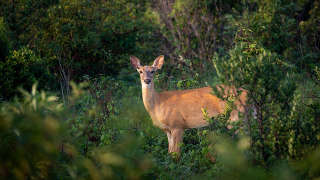
Whitetail Deer
Row crop residue and acorn flats keep deer on a steady pattern. Creek crossings and field corners make consistent stand sites during the rut and late season.

Eastern Wild Turkey
Hardwood bottoms and open pine support bugging broods and strutting lanes. Spring action peaks on edges where sunlight hits green lanes after a burn.
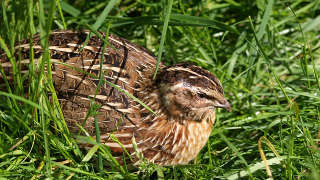
Bobwhite Quail
Field borders, idle corners, and lightly thinned pine create the right mix of cover and seed. Rotational fire and fall disking can boost covey counts over time.

River and Pond Fishing
The Chattahoochee produces bream, bass, and flathead catfish, with sandbar access for small craft. Farm ponds add quick evening bites and easy kid friendly trips.
Peanut Country Roots, Kolomoki History, and Small Town Pace
Explore Land In Nearby Southwest Georgia Counties
Miller County
Known for strong peanut and cotton ground with quick access to Colquitt services. Similar habitat mix with steady deer, turkey, and dove opportunities.
Land for Sale in Miller County, GeorgiaSeminole County
Lake Seminole access boosts fishing and waterfowl options alongside farm and timber tracts. A good fit for buyers who want more open water nearby.
Land for Sale in Seminole County, GeorgiaCalhoun County
Productive cropland and pine tracts with quick routes toward Albany markets. Pricing and soils make it a common comparison with Early County.
Land for Sale in Calhoun County, Georgia