Land for Sale in Wakulla County, Florida

HUNTING, TIMBER & COAST ACCESS

South of Tallahassee, this part of Florida mixes pine flatwoods, tidal marshes, and sandy uplands that roll into the Gulf of Mexico. Land here supports timber production, small cattle operations, and hunting retreats. Salt and freshwater fishing are both within reach, making it rare for rural property. The area is also home to Wakulla Springs, one of the largest freshwater springs in the world, adding cultural and natural value to local acreage.

  • 1 to 1 of 1
  • 1

Why Wakulla Florida Land Attracts Buyers

Buyer interest stays strong here because the county blends coastal wilderness with practical, working acreage. You can hold pine timber on uplands, run small cattle or hay operations on cleared ground, and still be minutes from Gulf fishing, rivers, and big public lands. Tallahassee access keeps jobs and services close while Crawfordville offers daily needs without the traffic. Development pressure is lower than metro counties, giving landowners room to manage habitat, grow timber value, and enjoy quiet neighborhoods. The climate supports long growing seasons, winter food plots, and year round outdoor use. Roads reach well into rural tracts, and utilities are expanding as new residents relocate from the city. For investors, the appeal is simple. Productive soils inland, solid pulpwood and sawtimber markets, and strong recreation demand stack well with long hold strategies. For families, it is about weekends that start with coffee, a quick run to the ramp, and a sunset over marsh grass back at the gate.

Coastal Springs, Rivers, and Marsh Features That Drive Wakulla Land Value

Land here sits at the meeting point of pine sandhills, river floodplains, and tidal marsh. That mix creates strong habitat diversity and stable water resources that buyers value. Wakulla Springs, one of the world’s largest and deepest freshwater springs, anchors a protected basin and feeds the spring run into the Wakulla River. To the south, St. Marks National Wildlife Refuge stretches along the Gulf with vast salt marsh, tidal creeks, and the historic lighthouse. The Ochlockonee River forms a western boundary, with blackwater swamps, oxbows, and hardwood hammocks. Uplands support slash and loblolly pine, while low areas carry cypress and gum. Karst geology shows up as sinks and subterranean flow, a reminder to plan roadbeds and house sites on higher, well drained portions. For buyers, these features translate to reliable recreation, good wildlife edge, and premium settings for homesites tucked under longleaf and live oaks.
Wakulla Springs Basin

A first magnitude spring with constant clear flow feeds the Wakulla River. The protected basin stabilizes local hydrology and supports manatees, fish, and wading birds. Parcels near the spring run benefit from conservation buffers, quiet surroundings, and strong eco recreation value.

St. Marks Marsh and Coast

Miles of tidal marsh, creeks, and oyster rich flats define the southern edge of the county. This coastline holds redfish, trout, and flounder, and attracts waterfowl in season. Private tracts just inland gain from views, breeze, and fast access to public ramps and trails.

Ochlockonee River Corridor

A blackwater river with cypress edges and hardwood hammocks, the Ochlockonee offers fishing, paddling, and rich wildlife travel routes. Floodplain soils build strong mast production for deer and turkey, while adjacent uplands are well suited for planted pine and food plots.

Timber, Small Farms, and Rural Homestead Investment Land
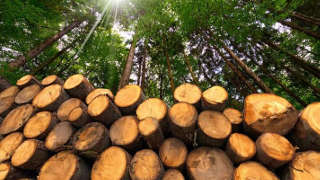
Investors and families look for ground that earns while it is enjoyed. Inland Wakulla tracts perform with planted pine rotations, periodic thinnings, and final harvests that track North Florida mill demand. Cleared fields support hay, peanuts, and seasonal vegetables, with fencing for small cattle herds. Many buyers combine a homesite, a barn, and a few internal roads to reach stands and food plots. Proximity to Tallahassee keeps contractor and supply access simple. The Gulf and river network boost short term rental potential for cabins and weekend camps, if county rules are followed. Thoughtful site planning puts improvements on the highest, driest parts and keeps low ground as wildlife cover and wetland buffers.
Pine timber investment
Pine Timber Rotations

Slash and loblolly pine do well on upland soils, with site prep and bedding improving survival on flatwoods. Owners typically thin at first pulpwood age, then manage toward chip and sawtimber for stronger stumpage. Fire lanes and prescribed burns reduce fuel, improve browse, and keep stands clean. Markets in the Panhandle support steady harvest scheduling, and access roads are straightforward on sandy ground. Add small hardwood drains and leave trees to diversify habitat and support deer and turkey use across seasons.

Row crops and forage
Row Crops and Forage

Cleared tracts support hay, peanuts, and corn where soils are slightly higher and well drained. Small vegetable acreage fits local markets, with melons and squash common in summer. Fencing and a simple catch pen make cow calf operations feasible at modest scale. Many owners overseed winter rye or clover to extend grazing and double as wildlife plots. Power and well placement should sit above any seasonal wet spots. A two track loop plus a culvert or two keeps equipment moving even after heavy rain.
Rural homestead and recreation
Rural Homestead and Recreation

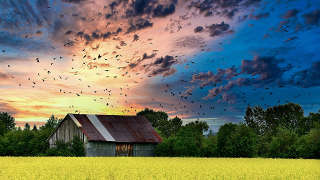
Many buyers pair a homesite with a shop, garden rows, and a few acres of woods. The layout often leaves a pine stand for privacy, a sunny patch for fruit trees, and a wet corner for wood ducks. Short drives put you at the Ochlockonee or Gulf ramps for fishing, while interior trails support ATV use and access to stands. With Tallahassee close, trades and supplies are available for phased improvements. Over time, owners add a second well spigot, a bigger pad, or a guest cabin to support family visits and weekend rentals.

Wildlife, Hunting, and Fishing Across Wakulla County

Habitat diversity is the draw. Pine uplands, oak ridges, and cypress edges hold deer and turkey throughout the season. Hogs work creek crossings and wet flats year round. Waterfowl stage along the marsh and in shallow impoundments near the coast. Freshwater fishing runs on the Wakulla and Ochlockonee with bass, bream, and seasonal striped bass, while inshore Gulf waters produce redfish and trout most of the year. Food plots and fire help wildlife most, and simple improvements like mineral sites, small mast tree plantings, and quiet bedding thickets keep use predictable. With large public lands nearby, private parcels benefit from steady game movement and lighter neighborhood pressure.
Whitetail deer
Whitetail Deer

Deer key on oak mast, edges, and young pine cuts. Late season movement increases on warm afternoons along browse rich transitions and green plots.

Eastern wild turkey
Eastern Wild Turkey

Turkeys favor open pine with frequent fire and bugging lanes. Creek bottoms and hardwood ridges provide roosts and midday loafing cover.
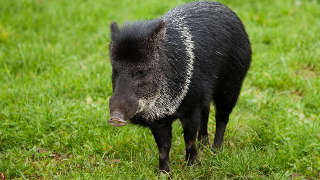
Feral hogs
Feral Hogs

Hogs concentrate near swamp edges and drain crossings. Trapping and targeted pressure around feed sources reduce rooting damage to plots and roads.
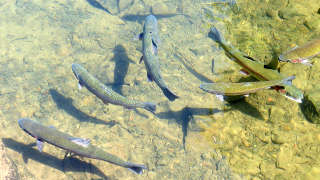
Inshore fishing redfish and trout
Inshore Fishing

Reds and trout work grass flats and creek mouths on moving tides. Fall brings strong action on shrimp and baitfish schools along the marsh edge.

Springs, Lighthouse, and Sopchoppy Worm Gruntin Festival

Local life runs on water and woods. Families gather at Wakulla Springs to swim under live oaks and watch manatees slide past the tour boat. Down the road, the St. Marks Lighthouse stands over wide marsh and a sky full of migrating birds. In Sopchoppy, the Worm Gruntin Festival celebrates a quirky, old school method of coaxing bait from the ground, a reminder that traditions still anchor this coast. Trail miles, blueways, and quiet roads knit communities together. For landowners, this means guests want to visit, short term rentals stay booked in season, and weekends feel like a vacation without leaving home. The county’s pace is unhurried, but it is not remote. Groceries, schools, and hardware are close, and a straight shot to Tallahassee keeps appointments easy.

Explore Land in Nearby Florida Panhandle Counties

Buyers often compare Wakulla with neighboring counties for price, soils, and commute. These nearby markets offer different mixes of timber ground, farmland, and coastal access while keeping you close to the same rivers and Gulf waters.
Leon

Closer to Tallahassee services and schools, with higher demand for homesites and small-acre tracts. Strong resale and commuter appeal for buildable parcels.

Land for Sale in Leon County, Florida
Franklin

Gulf front and bay focused with beach town amenities and fishing culture. Expect fewer large tracts but strong coastal recreation value.

Land for Sale in Franklin County, Florida
Jefferson

More row crop and pasture ground east of Tallahassee with a classic Red Hills feel. Larger ag tracts and strong quail and deer potential.

Land for Sale in Jefferson County, Florida

FREQUENTLY ASKED QUESTIONS

What fishing opportunities does Wakulla County offer?

Anglers can fish both fresh and saltwater here. The Ochlockonee and Wakulla Rivers hold largemouth bass, redbreast sunfish, and striped bass. Along the Gulf coast, inshore waters provide speckled trout, redfish, and flounder. Oyster beds and seasonal shrimping also attract locals. The combination of rivers, creeks, and tidal flats makes the county a standout destination for year-round fishing.

What crops are best suited for farming in Wakulla County?

Sandy soils near the coast are not prime row-crop land, but inland tracts support corn, peanuts, and soybeans. Small-scale vegetable farms, including watermelons and squash, do well in cleared fields. The long growing season and mild winters also make it possible to run specialty operations like blueberries or nursery plants. Many farms also combine cattle grazing with hay production for additional income.

Is poultry farming common in Wakulla County?

Unlike central Florida counties, Wakulla is not a major poultry hub. The landscape leans more toward timber and small family farms. However, small poultry flocks are raised for local consumption and farm markets. Large-scale broiler houses are rare, but land is well-suited for small agricultural operations that combine poultry with gardens or livestock.

What types of wildlife are most common for hunters in Wakulla County?

Whitetail deer and Eastern wild turkey are the primary game species. Hogs are abundant, especially near swamp edges and river bottoms. The county also offers opportunities for small game like squirrels and rabbits. Waterfowl hunting can be excellent in the St. Marks refuge and coastal marshes, where teal, ducks, and geese pass through during migration.

How does timberland investment perform in Wakulla County?

Planted pine tracts are common in the inland parts of the county. Loblolly and slash pine are used for pulpwood and sawtimber markets tied to north Florida mills. Timber rotations provide steady returns, and mixed hardwoods add diversity for wildlife. Proximity to ports and regional markets makes timberland here a practical investment for long-term buyers.

How close is Wakulla County to major cities and services?

Crawfordville, the county seat, has schools, healthcare, and local shops. Tallahassee is just 20–30 minutes north, providing access to universities, state government, and a larger job market. This balance of rural privacy with city proximity appeals to many buyers who want space without being isolated.

Florida Trusted Land Professionals

Every county has its own feel — the land, the timber, the communities, and the opportunities that come with them. Working with people who know this ground firsthand makes everything easier. Whether you want to buy or sell, our team understands this county and how to match the right properties with the right buyers. They know the backroads, the soil types, the hunting spots, and the market trends that matter.