Why Lake County Florida Land Attracts Buyers
Buying land in this part of Central Florida feels different because you get real elbow room with serious water access and still stay within a reasonable drive of Orlando. Rolling sandhills, long lake shorelines, and pockets of flatwoods create a mix of homesites, pasture, timber, and recreation that you do not always find in one county. Many tracts sit close to public boat ramps, state forests, and small towns that still function as working communities, not just bedroom suburbs.
People come here looking for lakefront acreage, cattle pasture, citrus or blueberry ground, and weekend retreats on quiet roads. Elevation changes around the central ridge give better drainage and more views than most Florida buyers expect, especially near Sugarloaf Mountain and the surrounding high ground. At the same time, low-lying wetlands and ponds provide natural buffers, wildlife habitat, and seasonal duck and wading bird use. That mix of high, dry buildable land with protected wet areas helps long-term value and keeps properties feeling rural even as nearby areas grow.
For investors and families alike, the draw is simple: enough infrastructure to live and work, enough water and habitat to play, and enough diversity in land use to support timber, cattle, niche crops, and recreation on the same deed. If you want space without moving far away from services, this market makes sense to study closely.
Lake County FL Lakes, Ridges, and Natural Land Features
Natural features in this county start with water. The Harris Chain and dozens of smaller lakes create long shorelines, canal systems, and backwater coves that shape how land lays out and how you can use it. Lakefront parcels range from developed neighborhoods to larger tracts with older homes, groves, or pasture that can be repositioned over time. Even inland properties often sit within a short haul of a public ramp or river access, which is a real plus for buyers who fish or just like to keep a boat handy.
Beyond the obvious water, there is a spine of high, sandy ground that gives the area more relief than typical Florida coastal counties. Those ridges support sandhill vegetation, scattered longleaf and slash pine, scrub, and well-drained soils suited for dry homesites, specialty crops, and horse farms. Lower ground transitions into flatwoods, cypress strands, and marshy edges that hold ponds, creeks, and seeps. Put together, these features offer a lot of flexibility in how you design a property, from conservation-minded layouts to working farms with natural buffers.
Harris Chain of Lakes
The Harris Chain anchors the county’s lake network with large, connected water bodies used for fishing, boating, and watersports. Shoreline tracts near these lakes often pair residential use with docks, boathouses, or small private ramps. Buyers value the ability to access multiple lakes from a single property and the steady demand for waterfront and near-water acreage in this corridor.
High Ridges and Sugarloaf
Higher ridges around Sugarloaf Mountain and the central highlands offer better drainage, long views, and cooler breezes than the lowlands. These sites work well for custom homes, equestrian facilities, and small farms that need dry ground and rolling topography. For landowners, the elevation change creates a sense of privacy and separation that is hard to find in flatter parts of the state.
Wetlands and Flatwoods
Low-lying wetlands, cypress heads, and pine flatwoods wind through many tracts and along stream corridors. These areas store water, support deer, turkey, wading birds, and small game, and can qualify for conservation or agricultural programs. When planned correctly, they provide natural screening and recreational value while helping meet environmental regulations and long-term stewardship goals.
Citrus, Cattle, Timber, and Recreational Investment Land
Investors looking at this county see more than one way to make land pay. Historic citrus areas now mix with cattle pasture, horse farms, timber, and rural residential development, giving owners options to pivot as markets change. Sandy soils and a long growing season support vegetables, melons, hay, and specialty crops where water and soils line up, while less suitable agricultural ground can still shine as recreational or homesite acreage.
Because the county sits within commuting distance of Orlando and other job centers, rural tracts also carry long-term value as future homesites or small subdivisions if zoning and infrastructure allow. Some buyers keep properties in agricultural use, taking advantage of lower assessments, then gradually carve out homesites, barns, or short-term rental units that match the lake and recreation market. Others focus on timber, conservation easements, or family retreats with trails, ponds, and food plots. The common thread is flexibility: land here can serve more than one purpose over its life.
Timber and Conservation Tracts
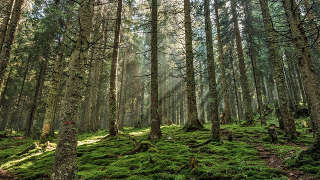
Pine plantations and naturally regenerated timber on the sandhills give buyers a way to blend long-term income with wildlife value. Many stands can be thinned for pulpwood and small logs while still keeping canopy cover for deer and turkey. Owners often add internal roads, firebreaks, and small clearings to make stands easier to manage and more enjoyable to use. Over time, the property can be repositioned toward higher-value sawtimber, conservation programs, or converted into mixed-use tracts with scattered homesites and recreation areas along the edges.
For investors thinking in decades rather than quarters, this kind of land offers a steady biological growth curve, potential tax advantages, and a tangible asset that can be walked, hunted, and passed down instead of just traded on a screen.
Cattle Pasture and Horse Farms
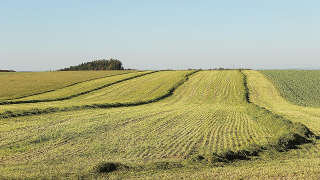
Improved pasture with fencing, water, and working pens can support cow-calf operations, backgrounding, or custom grazing. Many tracts already have Bahia or other forage grasses established, which reduces start-up costs for a new owner. Smaller acreages lean toward horse farms, boarding facilities, and hobby livestock operations that benefit from being close to towns, feed suppliers, and veterinarians. With the right management, these properties can generate lease income, support a family operation, or simply hold value as open space in a growing region.
Because pasture ground is often high and dry, it can also transition over time to residential or mixed-use development if local plans and utilities support it. That gives buyers a way to cover carrying costs now while keeping upside options open for the future.

Lakefront and Recreational Acreage
Lakefront and near-lake holdings in this county appeal to buyers who want weekend places, short-term rentals, or custom homes tied directly to boating and fishing. Larger parcels can be held as private retreats with docks, boat lifts, and trail networks or carefully divided into a handful of premium homesites. Even off-water tracts with easy access to ramps, state forests, or wildlife management areas work well for cabins, RV sites, and small camp-style layouts.
From an investment standpoint, these properties combine location, water access, and outdoor amenities that support both personal use and rental income. Owners can adjust improvement levels over time, adding modest cabins, barns, or guest units as demand grows, rather than having to build everything up front.
Lake County FL Wildlife, Hunting Land, and Bass Fishing
Wildlife in this county tracks closely with its blend of upland sandhills, flatwoods, lakes, and wetlands. White-tailed deer, wild turkey, and feral hogs are common where timber, pasture, and cover meet, while ducks, wading birds, and songbirds concentrate around marshes and lake edges. Private landowners can improve habitat with food plots, prescribed fire, and light timber work, often boosting both recreational value and long-term land health.
Fishing is anchored by the well-known bass and panfish waters scattered across the landscape. The Harris Chain and nearby lakes support largemouth bass, crappie, and bream, with year-round opportunities for boat and bank anglers. For a buyer, that means you do not have to drive hours to fish tournaments, chase bedding bream, or take kids out for a quick evening trip. Having reliable hunting and fishing close at hand turns a simple land purchase into a full-use property that works in every season.

White-Tailed Deer
Deer use edges where timber, pasture, and wetlands meet, slipping through travel corridors that cross many rural tracts. Landowners can shape bedding and feeding areas with selective thinning, small food plots, and limited pressure. Even modest acreages can offer quality shot opportunities when connected to bigger habitat blocks or close to public hunting areas.

Wild Turkey
Turkey flocks use open pasture for bugging, timber for roosting, and creek bottoms for travel and cover. Properties that combine hardwood drains with scattered openings and low hunting pressure often see regular spring activity. With careful management of predators, disturbance, and food sources, owners can maintain reliable hunting close to home without overworking the ground.

Feral Hogs
Feral hogs are common around wetlands, creek bottoms, and thick cover, where they root for food and wallow during hot months. While they can damage crops and pasture, they also provide year-round hunting opportunity. Many landowners trap and hunt hogs both to protect their land and to keep a supply of wild pork on hand for family and friends.
Bass and Panfish
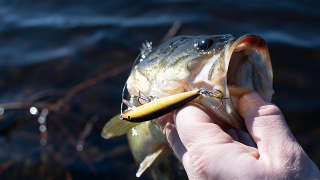
Largemouth bass, crappie, and bream thrive in the area’s lakes, canals, and ponds, giving owners something to fish almost every month of the year. Vegetation lines, boat docks, and shell bars all play a role in seasonal patterns, and many properties sit within minutes of productive ramps. For families and investors alike, steady fishing helps justify ownership costs by turning a simple land asset into a place where people actually want to spend time.
Living in Lake County FL: Small-Town Communities Near Orlando
Daily life on rural land in this county gives you a quieter pace while staying tied into Central Florida’s job and service network. Towns like Clermont, Eustis, Mount Dora, and Tavares offer schools, groceries, healthcare, and restaurants without requiring long drives into major metro areas. Many owners work in nearby cities and come home to acreage, livestock, or lake views instead of subdivision streets and strict homeowners associations.
Because the county has a long history of agriculture and lake-centered living, you will see produce stands, boat dealers, feed stores, and repair shops scattered along the highways. That local support system makes it easier to keep equipment running, manage livestock, or get a boat serviced without burning a whole day. At the same time, larger regional hospitals, colleges, and airports remain within a manageable distance, which appeals to buyers with kids, aging parents, or frequent travel needs.
For many people, the real advantage is choice. You can keep your land simple as a weekend camp, gradually build a home and barn, or develop a more intensive farm or equestrian operation as time and budget allow. The mix of community services, outdoor opportunity, and long-term growth pressure means well-chosen tracts can serve both lifestyle and investment goals over the long haul.
Explore Land in Nearby Central Florida Counties
Buyers who like this market often compare options in surrounding Central Florida counties to balance price, distance, and land use. Neighboring areas offer their own mix of timber, pasture, lakes, and small towns, sometimes with different tax bases or development pressure. Looking across county lines can help you find the right combination of acreage size, access, and long-term potential for your plans.
Sumter County, Florida
Sumter County to the west leans heavily toward cattle, hay fields, and large pasture tracts with good access to major highways. Buyers watch this area for working ranches, hunting land, and future growth tied to nearby communities and transportation corridors.
Land for Sale in Sumter County, FloridaMarion County, Florida
Marion County to the north is known for horse farms, rolling sandhills, and a strong agricultural base. Land here appeals to equestrian buyers, row crop producers, and investors who want larger acreage options tied to an established rural economy.
Land for Sale in Marion County, FloridaOrange County, Florida
Orange County to the southeast combines urban growth with pockets of remaining rural and lakefront land. Buyers who need direct proximity to Orlando’s employment centers sometimes use this market alongside Lake County as they weigh commute times and future development trends.
Land for Sale in Orange County, Florida