Land for Sale in Indian River County, Florida

FARMING, RECREATION & RURAL LIVING

Not far from the Atlantic coast, this area mixes flatwoods, hammocks, and open pasture. Land here works well for small farms, cattle, nurseries, and weekend recreation. Timber grows steady in the inland tracts, and irrigation access helps specialty crops. You also see old citrus parcels shifting to new uses. The mix of rural space and coastal culture makes it a practical spot for anyone wanting acreage without leaving Florida’s Treasure Coast.

Florida Trusted Land Professionals

Every county has its own feel — the land, the timber, the communities, and the opportunities that come with them. Working with people who know this ground firsthand makes everything easier. Whether you want to buy or sell, our team understands this county and how to match the right properties with the right buyers. They know the backroads, the soil types, the hunting spots, and the market trends that matter.

Why Indian River County Florida Land Attracts Buyers

Buying land in Indian River County gives you a mix of coastal influence and true rural ground. Inland tracts sit only a short drive from Atlantic beaches and the Indian River Lagoon, but still feel quiet and open. That balance appeals to buyers who want acreage for work or play without giving up access to medical care, shopping, or schools in Vero Beach and nearby towns.

Soils across the county range from better-drained sand ridges to low, wetter flats, which opens up options for pasture, irrigated crops, and improved timber. Former citrus groves are shifting into new uses, including hay fields, small cattle operations, and hobby farms. Smaller parcels work well for homesteads and barns, while larger holdings can support hunting, grazing, and long-term land banking. With year-round access, a warm climate, and steady population along the Treasure Coast, Indian River County land offers both lifestyle benefits and long-run value for investors and families.

```

Natural Features That Shape Indian River County Florida Land

Indian River County stretches from Atlantic barrier islands through the Indian River Lagoon and back into flatwoods, hammocks, and marsh. The lagoon is one of the most productive estuaries in Florida, mixing salt and freshwater and supporting seagrass beds, oyster bars, and rich fisheries. On the mainland, the ground breaks into pine flatwoods and oak hammocks, with scattered ponds and cypress heads that hold water in wet seasons and provide key wildlife cover.
Indian River Lagoon

The Indian River Lagoon runs along the eastern edge of the county, creating a long, sheltered waterway between the mainland and barrier islands. It supports sportfish, dolphins, and countless birds, and influences the climate on nearby inland tracts. Properties close to the lagoon often enjoy breezes, scenic views, and quick access to public boat ramps.

Pine Flatwoods and Hammocks

Much of the inland landscape is made up of pine flatwoods broken by hardwood hammocks. These areas offer slightly higher ground for homesites, grazing, and timber, while still supporting deer and turkey habitat. The mix of open pine and shaded oak pockets creates good travel corridors for wildlife and pleasant spots for trails and stands.

Wetlands, Ponds, and Marsh

Low-lying marshes, cypress ponds, and seasonal wetlands dot the county, especially toward the western side. These areas help store water, provide nesting cover for wading birds, and offer loafing spots for ducks. On private land, they can be managed as wildlife sanctuaries or incorporated into larger ranch and recreational tracts.

Citrus, Ranch, and Recreational Investment Land

Indian River County has a long history of citrus and cattle, and that shows in how the land is laid out. Many properties have established drainage, interior roads, and irrigation sources left from grove or pasture management. As markets shift, those same features now support hay fields, specialty crops, small ranch operations, and rural homesites. Buyers can step into land that already has some improvements in place rather than starting from bare ground.
Former citrus and irrigated farm land
Irrigated Farm and Former Citrus Acreage

Former citrus groves in Indian River County often come with wells, mainline irrigation, and internal access roads already in place. These tracts can be repurposed for hay, row crops, or alternative fruit and vegetable production, giving buyers a head start compared to raw land. The sandy soils warm early in the season, and with proper fertilization and water management, can support multiple plantings each year. Investors who understand niche crops, local markets, or direct-to-consumer sales can use these features to build steady income while still capturing long-term land appreciation.
Pasture and small ranch tracts
Pasture, Cattle, and Small Ranch Tracts

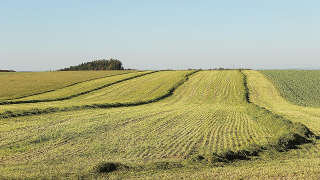
Open pasture ground supports both traditional cattle operations and smaller hobby ranch setups. Many properties have perimeter fencing, cross-fencing, and basic working pens that can be improved over time. Stocking rates vary with forage quality, but improved grasses and rotational grazing help owners get more out of each acre. For buyers, these ranch-style tracts can blend income from grazing with lifestyle perks like open views, room for barns and equipment, and space for horses or personal livestock projects.
Timber and recreational hunting land
Timber, Recreation, and Mixed-Use Holdings

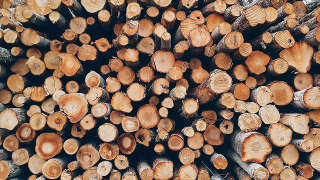
Western Indian River County includes timber stands, natural hammocks, and mixed-use acreage that lend themselves to recreational and conservation-focused ownership. Pines can be thinned or clearcut on rotation to generate periodic cash flow while hardwoods and wetlands are managed for wildlife. Road systems and openings create opportunities for food plots, camp sites, and simple cabin locations. For long-term investors, these tracts offer a hedge against inflation, potential enrollment in conservation programs, and a personal place to hunt, ride, or simply get away from coastal traffic.

Indian River County Wildlife, Hunting Land, and Lagoon Fishing

Indian River County gives landowners both inland hunting and coastal-style fishing within a short drive. Deer and turkey use the pine flatwoods, hammocks, and edges of pasture, while hogs roam wetter ground and along creek bottoms. The nearby Indian River Lagoon and local freshwater lakes add inshore saltwater and bass fishing to the mix. That combination makes it easier to justify a land purchase to family and friends, because the property can be used in different ways throughout the year.
Whitetail deer in Indian River County
Whitetail Deer

Whitetail deer are common in Indian River County, especially where pine flatwoods meet hammocks and overgrown edges. Food plots, travel corridors, and limited pressure can help produce better body weights and shot opportunities.

Wild turkey in pine flatwoods
Wild Turkey

Eastern wild turkeys use open pine stands, pastures, and sandy roads for strutting and feeding. Landowners who manage hardwood edges and maintain scattered openings often hear gobbling on spring mornings.
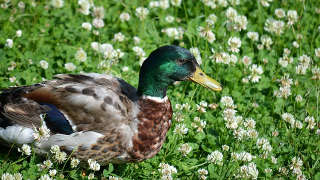
Ducks and wading birds in wetlands
Waterfowl & Wading Birds

Wetlands, ponds, and marsh edges attract ducks in migration and support year-round wading birds. These areas can be managed for shallow water levels that help both wildlife and overall habitat health.
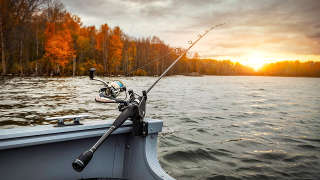
Inshore angler on the Indian River Lagoon
Inshore Fishing

The Indian River Lagoon and nearby waters hold redfish, snook, seatrout, and other inshore species. Public ramps and small marinas make it simple to launch a skiff or bay boat after work or on weekends.

Treasure Coast Rural Lifestyle Near Vero Beach

One thing that sets Indian River County apart is how easily you can move between country and coast in a single day. A landowner can check cows or walk a timber stand in the morning and still make it to the beach, a ball game, or dinner in Vero Beach that evening. That makes acreage here attractive not only to full-time residents, but also to buyers from other parts of Florida who want a weekend base with more privacy.
Local culture still reflects its agricultural roots, with farmstands, livestock shows, and small-town events scattered through the calendar. At the same time, the Treasure Coast economy brings in healthcare, hospitality, and service jobs that support long-term growth. Owning land in this county is not just about hunting or farming; it is about having room to store boats and equipment, build a shop or barn, and keep a little distance from crowded subdivisions while staying tied into a coastal community.

Land for Sale in Neighboring Treasure Coast Counties

Buyers who like Indian River County often look at nearby counties along the Treasure Coast and inland toward the lakes. Each one offers a slightly different mix of soils, price points, and development pressure. Comparing options across county lines can uncover tracts that fit a specific budget or land use plan while keeping the same general climate and access to major routes.
Brevard County

Brevard County to the north combines Space Coast industry with broad stretches of timber, pasture, and recreational land. It is a good option for buyers who want larger acreage while staying close to Atlantic access and major employers.

Land for Sale in Brevard County, Florida
St. Lucie County

St. Lucie County just to the south offers farmland, equestrian properties, and rural homesites with quick access to Port St. Lucie and Fort Pierce. It suits buyers wanting a similar coastal climate with slightly different price dynamics and development patterns.

Land for Sale in St. Lucie County, Florida
Okeechobee County

Okeechobee County to the west is known for wide-open pasture, row crops, and strong cattle traditions. It is a solid fit for buyers focused on larger ranches, farming operations, or hunting tracts around Lake Okeechobee.

Land for Sale in Okeechobee County, Florida

FREQUENTLY ASKED QUESTIONS

What kind of fishing does Indian River County offer?

The Indian River Lagoon gives you easy access to redfish, snook, spotted seatrout, and sheepshead. Many locals fish from small skiffs or simple shoreline spots because the water stays calm most days. Freshwater ponds inland hold largemouth bass and bluegill. You do not have to be an expert; half the fun here is learning the tides and figuring out which lure the fish will tolerate that day.

What crops tend to do well in this part of Florida?

Growers here lean on warm-season crops that can handle sandy soils and steady sun. Vegetables like peppers, tomatoes, and squash do well with irrigation. Some old citrus groves still produce, though many have shifted to alternative cr

How good is the bass fishing in local freshwater ponds?

Bass fishing is steady because the warm climate keeps them active most months. Many retention ponds and rural lakes hold healthy largemouth populations. Anglers use simple gear and still pull out solid fish. The trick is getting out early before the heat slows everything down.

Can you raise cattle on land in Indian River County?

Cattle operations have been part of the inland sections for decades. The soil and climate support improved pasture grasses, and many owners run smaller herds alongside crop fields. Shade and water access are key because summers get hot. With the right setup, cattle are a reliable use of acreage here.

Are hogs a real issue for rural land?

Wild hogs show up almost anywhere there is cover and food. They root up ground if left unchecked, so most landowners manage them with trapping or controlled hunting. It is just part of rural Florida life. Once you learn their patterns, they become more predictable, even if still annoying

How does the climate affect farming and land use?

The warm climate gives you long growing seasons and frequent rain, but it also means planning for heat and storms. Farmers build irrigation systems that can handle dry snaps and layout crops to avoid flooding. Timber and pasture handle the weather well with proper maintenance. Most landowners adapt quickly once they understand the rhythms.

Sell Your Florida Land From Groves to Glades— We Bring Buyers

Selling land in Florida? Tutt Land Company makes it easy to connect your rural acreage with qualified buyers across the Southeast. Whether it’s pastureland in Okeechobee, timber in Liberty County, or hunting land in Madison County, our team has the reach and experience to get it sold.

We market your land with precision—through national listing platforms, custom property videos, social media, print, and direct outreach. From citrus groves to pine flats, Florida land deserves more than a listing—it needs a strategy. With over 80+ years of experience and deep Southeastern roots, we know how to showcase what makes your property valuable.

If you’ve got Florida land, Tutt Land brings the buyers.

Sunshine, Soil, and Sales Turn Your Love for Florida Land into a Career That Grows

Florida is more than coastline—it’s cattle country, timberland, and some of the best recreational property in the Southeast. If you know the palmetto-covered backwoods of Levy County, the oak hammocks in Suwannee, or the longleaf pines near Ocala, you belong on the Tutt Land team.

As a land professional with Tutt Land Company, you’ll represent rural properties across Florida, helping buyers and sellers make smart, land-based decisions. Whether you’re just getting started or ready to take your career further, you’ll gain marketing support, training, and the power of a 80+ year legacy built on trust and results.

So whether you're yelling Go Gators!, chopping the air for FSU, shouting Go Canes!, backing the UCF Knights, roaring for the South Florida Bulls, or repping high school powerhouses like Lakeland Dreadnaughts and St. Thomas Aquinas Raiders—if land is your game, Tutt Land is your team.

Start Your Florida Land Career Today