


Why Okeechobee County Florida Land Attracts Buyers
Buyers who want space, simple access, and year round use find a lot to like in this part of Florida. The setting sits away from coastal congestion but still connects easily to the Treasure Coast, Orlando area, and south Florida. Paved farm roads, grid style layouts, and long sight lines make it easy to understand a tract from the map and on the ground. Many parcels already have power nearby, and driveways are often straightforward to add or improve.
Land here fits cattle operations, hay fields, small farms, and rural homesites that do not feel crowded. Open pasture, scattered oaks, and pine flatwoods create a landscape that works for both working ground and weekend recreation. Plenty of buyers bring horses, boats, side by sides, and equipment, so yards, sheds, and barns are common upgrades. With Lake Okeechobee close by, some people treat their place as a home base for fishing and outdoor weekends while still keeping the property productive.
Prices in this interior region often compare well to coastal counties with similar drive times. That gives room for long term plans like adding fencing, cross fencing, or a shop building without overspending on the dirt itself. The county keeps a practical, ranch driven culture, which appeals to people who would rather hear cattle trucks and tractors than constant highway noise. For anyone who values workable acreage more than curb appeal, Okeechobee County land checks a lot of boxes.
Natural Features and Lake Okeechobee Landscape That Draw Land Buyers
Natural features in this county are shaped by the lake, shallow topography, and long growing season. Open prairie and improved pasture dominate many views, but look closer and you see pine flatwoods, palmetto edges, and low pockets that hold water in the rainy season. Those changes in elevation may be slight, yet they create distinct zones for grazing, wildlife, and small scale farming. The landscape feels big and open, which many buyers want for privacy and sky views.
Even tracts that do not front Lake Okeechobee still feel tied to it through drainage canals, marsh edges, and wet weather sloughs. These natural corridors move water and also move deer, hogs, and birds across the countryside. Sandy uplands drain quickly after storms and help keep roads passable, while darker soils in lower areas can be productive for certain crops or hay. When you walk a property here you typically find a blend of dry, moist, and sometimes seasonally flooded ground, which lets an owner plan different uses within the same fence line.
Lake Okeechobee Shoreline and Marsh
The lake’s fringe of marsh, cattails, and open water creates a huge wetland system that influences rainfall runoff and local weather. Even properties back from the shoreline feel the benefits of this water body through recreation, fishing, and habitat. Buyers drawn to the lake’s fishing culture often prefer tracts with quick trailer routes to popular ramps.
Pine Flatwoods and Palmetto
Scattered pine flatwoods with palmetto understory provide shade, cover, and visual variety in an otherwise open landscape. These areas can hold deer, turkey, and songbirds, especially where they border pasture or old fields. For landowners, they also offer natural windbreaks and attractive homesite settings without heavy clearing costs.
Improved Pasture and Open Prairie
Large blocks of improved pasture give the county its open, ranch country feel. These grasslands support cattle, hay production, and simple maintenance routines with mowing and fertilization. Buyers who want to see across their land and watch storms roll in over the horizon appreciate this wide open prairie character.
Cattle, Row Crops, and Rural Homesite Investment Land
Targeted land use in Okeechobee County often centers on practical agriculture and simple living. Cattle ranching still anchors much of the local economy, so many tracts already come fenced, cross fenced, or at least laid out in a way that makes fencing efficient. At the same time, muck and sandy soils in certain areas support vegetables, hay, and specialty crops that can be scaled up or down depending on a landowner’s goals and available labor.
Another strong use is rural residential development, whether that is a primary home or a weekend place sized for boats, equipment, and livestock. Power and road access are usually the key factors that drive value for this type of purchase. Investors sometimes combine these uses, keeping a portion in pasture for lease or personal cattle while planning a homesite, barn, or small shop on the remaining acreage. Because the county sits within reach of several metro markets, it can serve as both a working investment and a retreat.
Cattle and Pasture Operations
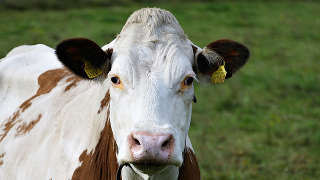
Cattle grazing is one of the most visible land uses in the county, supported by improved grasses, established water sources, and relatively mild winters. Properties that already have perimeter fencing, working pens, and basic lanes can transition quickly to a new operator or support a small family herd. Even on smaller acreages, owners often keep a few cows or stocker calves to take advantage of grass that would otherwise go unused. Long growing seasons can allow multiple rotations or hay cuts, making well managed pasture a dependable income or cost offset.
Row Crop and Vegetable Farms
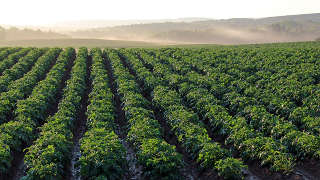
Row crop ground in this region can support sweet corn, beans, vegetables, and hay depending on soil type and irrigation. Some producers focus on seasonal crops that target specific market windows, while others lean into hay fields that supply local cattle operations. Smaller buyers may not farm at a large scale but still use portions of a tract for gardens, specialty crops, or leased ground to a neighboring farmer. Proximity to packing houses, feed suppliers, and major highways helps keep these operations connected to markets, which matters for both investors and owner operators.
Rural Homesites and Small Acreage
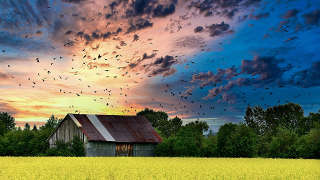
Rural homesites are a major draw for buyers who want elbow room without being isolated. Many tracts lend themselves to a house, shop, and barn layout while leaving the rest of the acreage in pasture or natural cover. Owners can keep a few animals, store boats and equipment, and still have quiet evenings under open skies. For long term value, small acreage near paved roads and utilities can hold appeal for both personal use and future resale. Investors who think a step ahead often size their purchase so it can be split for family or sold in pieces later if plans change.
Okeechobee County Wildlife, Hunting Land, and Lake Okeechobee Fishing
Wildlife and fishing opportunities are a big part of why people choose land around Okeechobee. Flatwoods, pasture edges, and low thickets provide feed and cover for deer and hogs, especially where hunting pressure is reasonable. Oak hammocks drop acorns in the fall, drawing animals out of open ground and giving stand hunters predictable travel routes. Many tracts can support a simple mix of feeders, food plots, and ground blinds without heavy investment.
On the water side, Lake Okeechobee is one of the country’s most recognized bass fisheries. Owning land within a short haul of the ramps means more mornings on the lake and fewer hours on the road. Anglers also enjoy crappie and bream fishing in the canals and backwaters that lace the area. For buyers who want a place to work during the week and fish or hunt on weekends, this blend of upland habitat and famous freshwater access is hard to beat.
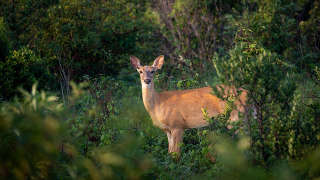
White-Tailed Deer
Deer in this area key in on pasture edges, oak pockets, and canal banks where browse and water come together. With thoughtful stand placement and pressure management, even modest sized tracts can produce regular sightings and quality meat hunts.

Osceola Turkey
Osceola gobblers use pine flatwoods and open lanes to travel between roosts and feeding areas. Land with a mix of scattered timber and openings can hold birds in the spring, giving owners a chance at a unique Florida subspecies close to home.
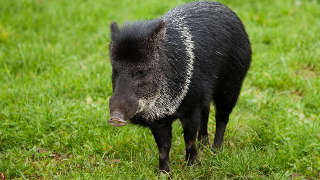
Wild Hog
Wild hogs frequent wetter ground, canal banks, and feed sources such as spilled grain or mast. While they can be a management challenge, they also provide frequent hunting opportunities and a reason to be on the land year round.

Largemouth Bass Fishing
Lake Okeechobee has long been known for producing heavy largemouth bass around grass lines, shell bars, and marsh cuts. Owning land nearby lets anglers slip out for short trips when weather and water levels line up, instead of saving everything for a single long vacation.
Ranching Culture, Small Town Services, and Okeechobee Community Life
Life around Okeechobee blends working ranch country with a tight knit town center. Feed stores, equipment dealers, and local repair shops support the day to day needs of people who actually use their land. Events like rodeos, fairs, and seasonal festivals remind you that cattle, farming, and the lake are more than just business here; they are part of local identity. Many buyers appreciate that they can walk into a hardware store and talk to people who understand fence wire, pumps, and pasture issues.
At the same time, basic services like groceries, schools, and medical care are close enough that you do not have to give up convenience to gain elbow room. The town stays smaller than coastal cities, which keeps traffic lighter and errands quicker. For remote workers or part timers, that means more time on the tractor, with family, or on the water and less time sitting in a line of cars. The overall feel is one of practical, no nonsense living where land still matters and neighbors usually recognize your truck.
Explore Land for Sale in Nearby South Central Florida Counties
Many buyers look at a few surrounding counties along with Okeechobee to compare prices, road access, and distance to the coast. Neighboring areas offer similar ranch, farm, and recreational tracts with their own mix of communities and services. It often makes sense to keep an open search radius so you can find the right combination of acres, soils, and location.
Highlands County
Highlands County to the northwest features rolling sandhills, citrus history, and a mix of pasture and lakes. Buyers who want slightly higher ground and access to central Florida towns often include this area in their search.
Land for Sale in Highlands County, FloridaGlades County
Glades County sits along the western side of Lake Okeechobee with extensive cattle country and quiet rural communities. It appeals to buyers who want strong agricultural roots and less development pressure.
Land for Sale in Glades County, FloridaSt. Lucie County
St. Lucie County to the east combines inland acreage with easier access to the Atlantic coast and port facilities. Some investors split their interests between interior working land and coastal business or residential ties.
Land for Sale in St. Lucie County, Florida