



Why Perry County Mississippi Land Attracts Buyers
A lot of people shopping for rural land in south Mississippi want the same core things: usable acreage, real woods, and room to do what they want without bumping elbows. That is the pull here. You can find pine ground that is already being managed, mixed tracts with creek drains and hardwood pockets, and places that are set up for a camp, a family homesite, or a long-term hold. The county also sits in reach of Hattiesburg while still feeling like the Pine Belt, not the suburbs.
Timber is a big reason buyers pay attention. Well-kept pine stands can be thinned and improved, and that turns land into an asset that grows while you are not standing on it. Some buyers want clean plantation rows and easy access. Others want a rougher mix with bottoms for hunting and wildlife movement. Either way, timber value and recreational value often overlap here, so a tract can be enjoyable now and still have a plan for later.
Water is another driver. Leaf River frontage is a real feature, not a marketing line. Black Creek adds a different angle with sandbars and clear, tannic water. Tracts near those corridors can offer hunting travel routes, quiet fishing spots, and that "walk down to the water" feel that is hard to fake. If you are buying for a weekend place, that kind of access changes how often you actually use the land.
Buyers also like that land use is practical here. Poultry and cattle operations are common in this part of the state, so it is normal to see a mix of pasture, hay ground, and woods on the same property. That means you can buy with a clear idea of what the land can support. You are not trying to force a mountain plan onto flat delta ground or vice versa. The land already matches the way people live in this region.
Leaf River Frontage and Black Creek Sandbars That Draw Land Buyers
Water and woods shape a big part of the buying decision here. River and creek corridors create natural edges, hardwood pockets, and travel routes for wildlife. They also give you something you can actually use, like a place to fish, launch a canoe, or cool off in the summer. Some tracts are mostly pine ridges with sandy soils and easy access. Others drop into low ground that stays green and holds hardwoods. That mix is what a lot of buyers want because it supports timber value, hunting, and a more interesting layout than "all the same trees."
Another big plus is the public-land influence nearby. The De Soto National Forest and the Black Creek corridor are part of the broader landscape, so the region stays wooded and outdoors-oriented. Even if you never step onto public ground, that surrounding habitat matters. It helps keep wildlife moving, keeps the area from feeling overbuilt, and makes land ownership feel like a long-term fit instead of a short-term trend.
Leaf River Corridor
River frontage adds real utility: fishing, small-boat access, and hardwood-bottom habitat that boosts hunting value. The floodplain layout also creates natural pinch points and travel lanes, which is why river tracts tend to hunt bigger than they look on a map.
Black Creek Sandbars and Wilderness Feel
The Black Creek corridor is known for white sandbars and a wild, wooded setting that feels more remote than most south Mississippi water. Tracts near this type of feature often appeal to buyers who want a camp vibe and real outdoor use, not just a view.
Pine Ridges and Hardwood Drains
Pine ridges tend to be easier to manage for timber and access roads, while drains and bottoms hold hardwoods and thicker cover. That natural transition creates variety for hunting setups and gives a tract multiple uses without needing major rework.
Timber, Poultry, Pasture, and Homesite Investment Land in South Mississippi
Land buyers here usually think in practical categories: what can it earn, what can it support, and how hard is it to maintain. That is why timber and agriculture stay at the top of the list. Pine ground can be managed in cycles with thinning and harvest timing, and that can turn into steady long-term value. Poultry and livestock support land is also common, which means road access, utilities, and usable open ground matter. At the same time, plenty of buyers are not trying to run an operation. They want a clean homesite, a camp, or a weekend place that still holds value because it sits in a region where timber and ag are normal land uses.
The best investor-style tracts are the ones that do more than one job. A pine stand with a creek bottom can still produce timber while giving you better hunting. A pasture tract with wooded edges can support cattle or hay and still feel private. When a property is set up like that, you are not locked into a single outcome. You can use it now and still keep options open for later.
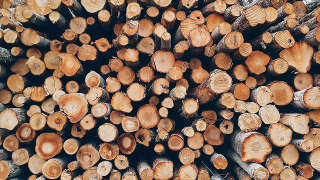
Pine Timber Tracts
Timber ground is a core reason people buy acreage here. Well-managed pine stands can be thinned to improve growth and set up future harvest value. Buyers like tracts with decent access, interior trails, and a layout that lets you work the property without turning every rain into a mud contest. Mixed ground is also common, where pine ridges drop into hardwood drains. That mix matters because it can support timber income while also improving hunting and overall resale appeal. A timber tract that hunts well is easier to justify as a long-term hold.

Poultry-Ready Acreage
Poultry is a major part of the local ag picture, so land that supports that use stays in demand. Buyers look for reliable road frontage, utility access, and enough room for houses, setbacks, and service areas. Even if you are not building broiler houses, that same infrastructure is useful for other plans. It makes a tract easier to develop into a homesite, a small farm setup, or a mixed-use property with a shop and storage. In plain terms, land that can support poultry tends to be land that is usable and connected, which is what most buyers want anyway.
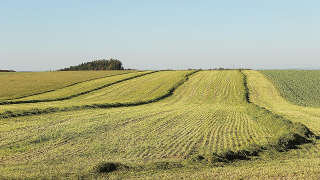
Pasture and Hay Ground
Open ground has a different kind of value here because it can be worked without heavy clearing costs. Pasture and hay acreage supports cattle, small livestock, and straightforward farm use. It also gives you space for a home, barn, and improvements without trying to carve everything out of thick woods. Many buyers like a balance: enough open ground to be useful, with woods for privacy, hunting, and shade. That combination also helps with flexibility. If cattle is not the plan, open ground can still serve as food plots, a dove field, or a simple buffer around a camp.
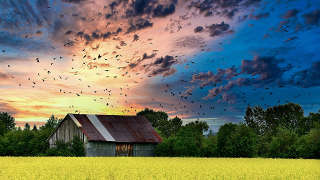
Country Homesites and Recreation
A lot of people buying here are looking for a quiet place that still feels connected to towns and services. Homesite-style tracts often include a cleared spot, good access, and enough timber or cover to keep the place private. Recreational buyers focus on trails, camp spots, and a mix of woods and water. River-adjacent ground can add a big quality-of-life boost, even if it is just a place to walk down and fish for an hour. The best part is that these uses do not fight timber and ag value. A tract can be a weekend place today and still hold long-term worth because it sits in a region where working land is normal.
Are you selling land in Mississippi
From Delta Farms to Pine Hills—We Bring Buyers
Thinking about selling land in Mississippi? Whether it’s a soybean farm in the Delta, timberland in Winston County, or a recreational tract in Clarke, Tutt Land Company knows how to market and move Mississippi property.
With more than 80+ years of land-focused experience, we connect your acreage with serious buyers using proven strategies—professional videos, targeted digital ads, and promotion across national platforms and Southeast land networks. Our name is trusted from the Tennessee line to the Gulf Coast.
Don’t just list your land—sell it with experts who live and breathe Mississippi dirt.
Deer Woods, Turkey Habitat, and River Fishing Along the Leaf River
Hunting and fishing are not side hobbies here, they are part of how people use land. Pine timber, hardwood drains, and river bottoms create the kind of habitat that consistently holds deer and turkey. Creek crossings, cutovers, and edge habitat matter more than perfect food plots, and this region naturally creates those edges. River corridors also add fishing value for buyers who want more than a pond. If you are shopping for a tract that can be used right away, focus on access, interior trails, and a mix of high ground and low ground. That blend is what makes a place hunt well year after year.

Whitetail Deer
Pine ridges and hardwood drains create dependable bedding and travel routes, especially where edges meet food sources. River bottoms add funnels and crossings that make stand placement simpler and more predictable.

Turkey
Mixed timber, openings, and creek corridors support nesting cover and strut zones when the understory is right. Buyers often look for a balance of mature woods and lighter cover so birds have both roost options and feed.
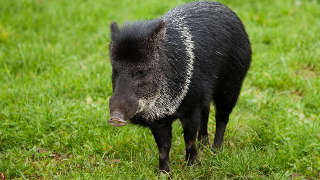
Wild Hogs
Bottomland edges and wet-weather drains can hold hog sign, especially where thick cover meets easy feed. On working land, control matters because hogs can tear up roads, food plots, and soft ground fast.

Fishing
The Leaf River system is known for bass, bream, and catfish, with river bends and structure doing the heavy lifting. Buyers who want fishing value often prioritize frontage, a feeder creek, or a spot suitable for a small private pond.
Black Creek Trail Country and Small-Town Roots Around New Augusta
The outdoor identity here is real, not something pasted onto a listing. The Black Creek corridor and nearby national forest land help keep the region wooded and recreation-friendly. That matters if you want a place that still feels like south Mississippi woods ten years from now. Small-town life also plays into the land market. New Augusta grew around the railroad, and you can still feel that "county seat town" rhythm where people show up for local events and know each other by name. For buyers, that translates into a simple truth: land is not just a purchase, it is a place you actually spend time. When a county has trails, river access, and a community calendar, owners use their property more, and that is what keeps the value personal instead of just financial.
A practical note for quality of life: tracts with decent access roads, a high and dry build spot, and room for a shop or storage tend to be the ones owners stick with. That sounds basic, but it is the difference between a place you visit twice a year and a place you use all the time.
Nearby South Mississippi Counties for Timber and Hunting Land
Location matters when buyers compare listings, especially if they are trying to stay close to family, work, or a favorite hunting area. Neighboring counties offer similar Pine Belt terrain with different town centers, road access, and pricing patterns. If you are shopping multiple areas, looking one county over can help you find the right mix of timber age class, water features, and tract size. The best approach is to compare a few side-by-side and focus on what you will actually use: access, habitat mix, and whether the land fits your plan today and five years from now.
Forrest County
More buyers look here when they want quicker access to Hattiesburg while still buying wooded tracts and small farms. Timber and homesite properties can move faster, especially near main roads and utilities.
Land for Sale in Forrest County, MississippiGreene County
Creek systems and mixed woods make this area a strong pick for buyers who want hunting habitat with timber value. Larger tracts and quieter backroads are common, which suits long-term holds and camp setups.
Land for Sale in Greene County, MississippiStone County
Buyers often compare this county when they want Piney Woods terrain with strong recreational use and rural homesites. The mix of timber ground and small-acreage options can be a good fit for weekend properties.
Land for Sale in Stone County, Mississippi