


Why Miami-Dade County Florida Land Attracts Buyers
Rural land buyers looking at South Florida pay close attention to the pockets of open ground that still exist in Miami-Dade County. The Redland farming district, Homestead area, and Everglades fringe hold acreage that feels completely different from the high-rise skyline to the east. These tracts offer space for homes, barns, greenhouses, and working farms while still sitting within reach of one of the strongest consumer markets in the Southeast.
Agricultural investors value how the warm, frost-free climate supports tropical fruit, nursery crops, and high-value specialty plants that cannot be grown in most of the country. Established canal systems make irrigation practical, and many properties already have power and road access in place. That combination gives buyers a shorter path from closing to production, whether the plan is fruit trees, vegetable beds, or ornamental stock.
Owners who want privacy still find it along the Everglades edge, where low density and wide views dominate. Equestrian buyers use the flat ground for turnout paddocks and training areas, and small operators run hobby farms that feed farmers markets and direct-to-consumer buyers in Miami. For many people, the draw is simple: own usable land with real agricultural potential without giving up access to major ports, highways, and year-round demand for fresh produce and landscape plants.
Natural Features That Shape Miami-Dade County Land and Water
Natural features in this part of Florida revolve around flat coastal plains, shallow rockland soils, and the vast marsh system of the Everglades to the west. Rural tracts often sit on Miami oolitic limestone with a thin soil layer on top, which gives fields solid footing for equipment and buildings. Canals and lateral ditches carry water from inland toward Biscayne Bay, creating a distinctive grid that defines much of the agricultural landscape.
Inland areas blend open fields with patches of hardwood hammocks, sawgrass, and improved pasture. Along the coast, mangrove forests and tidal creeks shape the shoreline and protect sheltered water that supports fish and bird life. Buyers who step away from the urban core find a mix of rockland, wetlands, and coastal influence that is unlike any other county in Florida. These physical traits shape what can be built, what can be grown, and how each tract can be managed long term.
Redland Rockland Farmland
Rockland farmland around the Redland district sits on shallow soil over limestone, giving fields a firm base once they have been prepared. This terrain works well for tree crops, row vegetables, and nursery plants that benefit from strong drainage and full sun. Many tracts already have historic grove layouts, canal access, and power corridors in place.
Everglades Fringe Wetlands
Wetlands along the Everglades edge blend sawgrass, open water, and tree islands that support wading birds and other wildlife. These areas often fall under conservation rules, but adjoining upland tracts benefit from the open views and low surrounding density. Buyers who want space and a direct connection to natural Florida pay attention to this fringe zone.
Biscayne Bay and Canal System
Biscayne Bay sits at the eastern edge of the county, linked inland by a network of canals and control structures. These waterways help move stormwater, feed irrigation systems, and provide access for small boats and shore fishing. Land with good canal proximity can offer both practical water management and recreational value.
Miami-Dade Agricultural, Nursery, and Rural Homesite Investment Land
Investment-minded buyers in this county focus on land that can either grow high-value crops or hold long-term residential demand. Agricultural tracts in the Redland and Homestead areas have a long track record of producing tropical fruit, vegetables, and ornamental plants for both domestic and export markets. That history matters because it proves the soils, climate, and infrastructure already support commercial production.
Nursery and greenhouse operations have expanded as landscapers and retail centers across South Florida look for local supply. Flat ground, abundant sunlight, and ready access to major highways make it easier to turn acreage into a productive plant yard. At the same time, rural homesites and small acreage parcels keep drawing buyers who want space for barns, home gardens, and a quieter setting while still staying within driving distance of Miami jobs and services.
Tropical Farmland and Crops
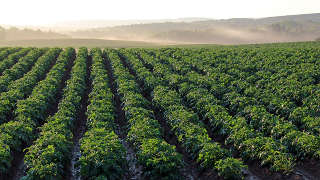
Tropical farmland in this region is used for avocados, mangos, lychee, longan, and a wide variety of vegetables planted on seasonal cycles. Investors look for tracts with existing irrigation, road frontage, and prior cropping history, because that reduces startup costs. The frost-free climate offers a long production window, and strong demand from local markets, restaurants, and export buyers can support intensive operations. Landholders can lease fields to growers, run their own farm, or split larger tracts into multiple revenue-producing units while still holding the underlying land as a long-term asset.

Nursery and Greenhouse Operations
Nursery and greenhouse uses are common on flat, accessible tracts near major roads. Owners build shade houses, hoop structures, and container yards to grow palms, shrubs, groundcovers, and tropical ornamentals. This land use fits the climate well and serves contractors and garden centers across South Florida. Reliable water supply, room for loading areas, and space to expand are key criteria for buyers in this segment. Well-placed nursery land can generate steady income through wholesale contracts while still appreciating as acreage near a growing metropolitan area.
Rural Homesites and Equestrian Tracts
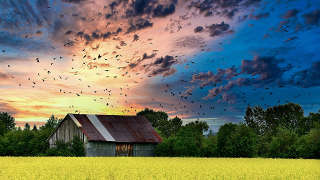
Rural homesites and equestrian tracts appeal to buyers who want more space than a typical suburban lot allows. Many parcels west of Krome Avenue already support single-family homes with barns, sheds, and fenced pastures. The flat terrain simplifies building and fencing, while the grid of public roads makes it easy to reach schools, shops, and employment centers when needed. Long-term, these properties offer both lifestyle value and the potential for higher demand as available acreage near the city becomes harder to find.
Wildlife, Hunting, and Fishing Near the Everglades in Miami-Dade County
Outdoor opportunities around rural Miami-Dade County revolve around canals, coastal waters, and the edges of the Everglades. Private hunting is limited compared to more heavily forested counties, but landowners still see white-tailed deer, hogs, and small game on larger tracts near wild areas. Bird life is especially strong, with herons, egrets, ibises, and hawks frequently crossing farmland and canal banks.
Fishing stands out as the most widely used resource. Biscayne Bay offers inshore species like snapper, bonefish, tarpon, and seatrout, while the inland canals support largemouth bass, peacock bass, and a mix of warmwater exotics. Owners of rural land often take advantage of nearby public access points, levee roads, and neighborhood bridges to fish without traveling far. For buyers who enjoy being outside year-round, the combination of mild winters, open sky, and abundant water makes even working properties feel like a base camp for everyday recreation.
White-Tailed Deer
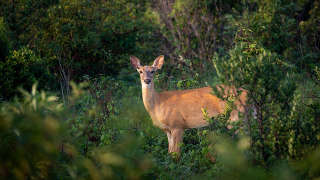
White-tailed deer move through larger tracts near the Everglades edge and along undeveloped corridors. Sightings are most common at dawn and dusk when animals move between bedding cover and open feeding areas.

Wading Birds
Herons, egrets, ibises, and spoonbills are regular visitors around canals, low spots, and flooded fields. These birds follow shallow water in search of fish and invertebrates, adding daily wildlife interest to working farmland.

Small Game and Predators
Raccoons, opossums, and the occasional bobcat roam hedgerows, canal banks, and woodlots on rural acreage. These species use the mix of cover and open ground created by fields, pastures, and drainage ditches.

Canal and Bay Fishing
Canal systems hold largemouth and peacock bass, while Biscayne Bay supports popular inshore saltwater species. Many landowners fish close to home using public boat ramps, levee access points, and neighborhood canal banks.
Tropical Agriculture, Local Markets, and Rural Lifestyle in Miami-Dade County
Life on acreage in this county often revolves around growing, harvesting, and selling into one of the busiest metro areas in Florida. Farm owners haul fruit and vegetables to roadside stands, open-air markets, and regional distributors that serve restaurants and grocery stores from Miami to the Keys. That direct link to a nearby customer base gives even small operations a chance to find buyers for unique products.
Community ties in the rural zone are shaped by harvest seasons, plant festivals, and long-standing family farms. On any given weekend, visitors drive south to buy fresh produce, tour nurseries, or explore agricultural attractions. For landowners, this steady flow of people creates opportunities in agritourism, on-farm events, and value-added goods such as juices, jams, and specialty plants. Owning land here is not only about acres and buildings; it is about tapping into a culture where growing things is still part of everyday life.
Explore Land for Sale in Nearby South Florida Counties
Buyers comparing Miami-Dade County with surrounding areas often look at neighboring counties to balance price, distance, and land type. Some prefer to stay close to major urban centers, while others move farther out for larger timber, pasture, or recreation tracts. Exploring nearby markets helps match the right property to each long-term plan.
Broward County
Broward County sits just north and offers its own mix of urban corridors and remaining open tracts. Buyers who want proximity to both Miami and Fort Lauderdale may include this county in their search for strategic acreage.
Land for Sale in Broward County, FloridaCollier County
Collier County to the northwest features larger blocks of timber, pasture, and conservation land. Investors and recreational buyers often look here for bigger tracts while still staying within reach of both Gulf Coast and South Florida markets.
Land for Sale in Collier County, FloridaMonroe County
Monroe County stretches from the mainland into the Florida Keys, combining coastal environments with limited upland acreage. Buyers interested in coastal access, island communities, and unique recreational settings often compare Monroe options with rural Miami-Dade tracts.
Land for Sale in Monroe County, Florida