


Why Lafayette County Florida Land Attracts Buyers
North Florida buyers who want real privacy without giving up good access to Gainesville, Lake City, or the interstate often end up studying maps of Lafayette County. Paved two lanes like US 27 and State Road 51 get you into the county, but most days the traffic is a tractor, a log truck, or a school bus. That light pressure keeps parcels larger, keeps noise down, and makes it easier to find continuous acreage for timber, hunting, or small farm projects.
Land here ranges from high dry sand ridges and planted pine to river swamps and natural hardwood drains feeding the Suwannee. Uplands handle improved pasture, hay fields, peanuts, and seasonal watermelons, while lower ground holds deer, turkey, and hogs. Many tracts already have internal roads, firebreaks, and scattered food plots from years of family hunting. For buyers who want a mix of income and recreation, it is easy to pair pine or pasture on the high side with hardwood bottoms for bedding cover and shade.
Daily living stays simple. Mayo has schools, basic services, and a small town feel that has not been polished away. Bigger shopping sits a reasonable drive out of the county, which suits people who would rather spend weekends on a tractor or in a boat than in a parking lot. With modest tax levels, no large city crowding the line, and steady demand from both local families and out of area buyers, Lafayette County land holds its own as a long term, low drama place to park money and enjoy it at the same time.
Natural Features And Suwannee River Land In Lafayette County Florida
Natural features in this part of North Florida give Lafayette County land a mix of character and utility that buyers appreciate. Rolling sand ridges and pine flatwoods support planted timber, while lower pockets turn into cypress heads, gum swamps, and live oak hammocks that hold game. Elevation changes are gentle but noticeable enough to create natural edges where wildlife likes to travel and where roads and food plots lay out easily.
Karst geology shows up in scattered sinkholes, clear springs, and limestone outcrops near the Suwannee River corridor. Those features are more than scenery. They influence soil types, drainage, and where a homesite or barn should sit. Along the eastern side of the county, broad river floodplains provide big hardwoods, seasonal backwater, and strong habitat for deer, hogs, and small game. Buyers who pay attention to these natural patterns can shape a tract for timber, grazing, or recreation without fighting what the land already wants to do.
Suwannee River Floodplain
Broad river bottoms along the eastern edge of the county create miles of hardwood forest, oxbows, and sloughs. These floodplain areas offer strong wildlife habitat, duck and small game potential, and classic Old Florida scenery for cabins and camps overlooking the water.
Pine Flatwoods And Sand Ridges
High and dry uplands with sandy soils support planted pine, scattered live oaks, and wiregrass. These sites give buyers good places for homesites, food plots, internal roads, and long term timber rotations without constant wet weather access problems.
Springs, Sinkholes, And Karst Features
Clear springs, small sinkholes, and exposed limestone show how close the aquifer runs to the surface in parts of Lafayette County. These features add visual interest and cool shade, and they also help explain well depths, drainage, and soil changes from one corner of a tract to another.
Timber, Cattle, And Row Crop Investment Land In Lafayette County Florida
Investment land in Lafayette County leans on a simple, proven mix of pine plantations, cow calf operations, hay fields, and modest row crop acreage. Many tracts have already cycled through one or two timber rotations, leaving good internal road systems and established loading decks. Others have been fenced and cross fenced for pasture, with scattered shade trees and working pens still in place. That history matters because it shortens the time from closing to productive use for a new owner.
Smaller parcels near Mayo and major paved roads often work well as hobby farms, with enough open land for a few dozen cows, horses, or a truck crop plot, while bigger blocks farther out attract buyers focused on timber and hunting. Because land values have not completely caught up with coastal or interstate counties, it is still possible to blend income and recreation without pricing out the average family. Investors who understand pine markets, cattle pricing cycles, or local crop contracts can use that margin to build a quiet, long term portfolio in the county.
Pine Timberland And Replant Tracts
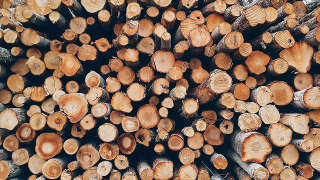
Cutover ground and existing plantations play a major role in Lafayette County land use. Many owners plant slash or loblolly pine on suitable uplands, then manage for pulpwood, chip and saw, and sawtimber on a 20 to 30 year schedule. First thinning checks often come in the mid teens, providing early cash flow and improving stand health. Second thinnings and final harvests follow as the stand matures, with stumpage value shaped by genetics, site prep, and past management.
Buyers can step into different points in this cycle. A younger stand may offer lower entry cost but require more patience. Older stands close to final harvest can give quicker returns while still allowing replant and long term hold on the same acres. Access to mills in surrounding counties and a healthy network of logging contractors help keep timber a reliable backbone for many Lafayette County tracts.

Cattle, Pasture, And Hay Production
Improved pasture, bahia grass, and mixed hay fields stretch across much of the open ground in Lafayette County. Cow calf operations fit the climate and forage base, with mild winters and long growing seasons helping keep feed costs down. Many existing farms already have perimeter and cross fencing, water points, and basic working facilities in place. That infrastructure lets a new owner bring cattle in quickly rather than spending the first few years just building out the basics.
Hay production complements grazing by providing winter feed or an additional cash crop, depending on how a farm is managed. Road frontage and proximity to feed buyers or other cattlemen influence how easily hay moves off the property. For buyers who like livestock but do not want hundreds of head, Lafayette County still offers manageable 40 to 120 acre packages that can support a small herd while leaving room for hunting and family recreation.
Row Crops, Hay, And Specialty Farming
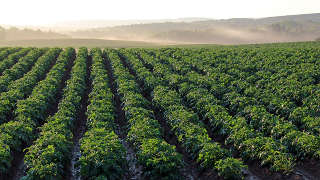
Better drained soils in Lafayette County support peanuts, corn silage, small grains, and seasonal watermelon or vegetable patches. While the county is not dominated by large row crop operations, pockets of quality dirt do exist, especially where irrigation or good dryland history lines up with market access. Some owners lease this ground to working farmers, trading hands on involvement for stable rent checks and a cleaner balance between income and lifestyle.
Specialty uses also show up on smaller tracts. Local producers raise freezer beef, direct market vegetables, and niche livestock in response to regional demand. Buyers interested in that kind of operation should look for properties with a mix of open land, reliable water, and accessible road frontage for potential on farm sales. The combination of modest land cost and flexible soils lets creative owners shape Lafayette County acreage into more than just pine or pasture if they are willing to put in the work.
Wildlife, Hunting, And Fishing Across Lafayette County Florida Land
Wildlife on Lafayette County land benefits from the blend of pine stands, open pasture, cutovers, and river swamps scattered across the landscape. Deer move between planted pine, thick regenerating clearcuts, and hardwood bottoms, while turkeys work field edges, powerlines, and open woods with good understory. Hogs take advantage of creek crossings, low spots, and agricultural fields, giving hunters both opportunity and a reason to stay after them year round.
Public lands such as nearby Mallory Swamp and Lafayette Forest add to the regional habitat footprint, but private ground is where most owners spend their time. It is common to see older food plots, ladder stands, and small camp sites already in place on rural tracts. The Suwannee River and local lakes round out the opportunity with bream, bass, catfish, and the unique Suwannee bass, so many owners keep both a rifle and a rod handy. For people who want a property where hunting season never really ends, Lafayette County fits quietly but comfortably into that plan.

White Tailed Deer
Mixed pine, cutover, and hardwood habitat supports solid deer numbers across Lafayette County. Food plots, browse along edges, and agricultural fields give whitetails consistent groceries, and light development pressure keeps many tracts calm enough for older age class bucks.

Wild Turkey
Open pine stands, old fields, and pasture edges give turkeys room to strut and bug in spring. Creek bottoms and hardwood hammocks provide secure roost sites so birds can move between roost, feed, and loafing areas within a single property.

Wild Hogs
Hogs follow creeks, river bottoms, and agricultural fields throughout the county. They can be tough on crops and roads, but they also provide year round hunting and a reason to keep cameras and stands active outside of the traditional deer calendar.

Freshwater Fishing
The Suwannee River and nearby lakes offer bream, largemouth bass, catfish, and the native Suwannee bass. Easy access to public ramps means a landowner can work on the property in the morning and still drop a small boat in the water before dark.
Small Town North Florida Lifestyle On Lafayette County Land
Life on Lafayette County acreage feels different from busier parts of Florida. Mayo anchors the county with schools, a courthouse square, churches, and a handful of local stores, but there are no high rise condos or theme park crowds anywhere in sight. Owners can run into town for hardware or a hamburger, then be back on a dirt road watching deer in a field before sunset. That slower pace is exactly what many people are trying to buy when they look here instead of on the coast.
Community ties remain strong. Friday nights revolve around school sports, local festivals, and church events rather than mall parking lots. Springs and river landings become informal gathering spots when the weather gets hot, giving families a way to cool off without driving hours. For buyers who want a home place, a hunting camp, or a working farm that still feels plugged into a real community, Lafayette County offers that mix without a lot of noise. The county lets owners build something steady for the long haul instead of chasing the latest trend.
Land For Sale In Neighboring North Florida Counties
Buyers searching Lafayette County land often widen the circle to nearby North Florida counties with similar soils, climate, and rural character. Looking at surrounding markets can help you compare price per acre, timber age classes, and distance to larger towns while staying in the same general region. It also opens up more options for pairing a home tract in one county with a pure hunting or timber tract in another.
Suwannee County
To the east, Suwannee County offers a blend of farms, timber, and river frontage closer to Interstate 10 and Lake City. Buyers who want a few more services and job options while still staying rural often compare Lafayette and Suwannee side by side.
Land for Sale in Suwannee County, FloridaTaylor County
West of Lafayette, Taylor County stretches from pine timberland down to the Gulf coast, blending industrial forestry with coastal recreation. Investors who like strong timber bases and occasional saltwater access often keep an eye on Taylor County listings.
Land for Sale in Taylor County, FloridaDixie County
South of Lafayette, Dixie County combines timber, hunting tracts, and Gulf access at places like Shired Island and Horseshoe Beach. Buyers who want to split time between river bottoms, pine woods, and inshore fishing often study Dixie alongside Lafayette options.
Land for Sale in Dixie County, Florida