The Tutt Land Ledger A Trusted Resource for Southeastern Landowners
The Tutt Land Ledger is a place to learn directly from the land professionals who live and breathe the Southeast. Whether you're planning to buy acreage, sell a legacy property, or improve the land you already own, our insights come from decades of hands-on experience. We help you navigate the complexities of rural land ownership across Alabama, Mississippi, Tennessee, Georgia, and Florida—so you can make every decision with confidence.
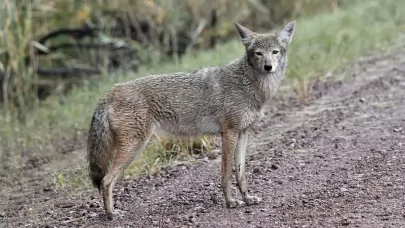
Most predator conversations start in the wrong place. They start with outcomes. Fewer deer. No turkeys. Torn-up plots. Frustrated owners. That’s usually the point where people start asking what went wrong. The harder question is what was happening years earlier. Predator pressure builds slowly, reshapes behavior, and changes how land functions long before anyone calls it a problem. By the time the damage is obvious, the opportunity to prevent it has already passed.
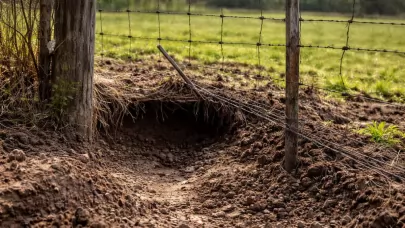
Feral hogs don’t just tear up fields. They change how land trades. They change who buys. They change what a seller can claim with a straight face. And they can turn a “good dirt” property into a constant fight that never shows up on the listing.
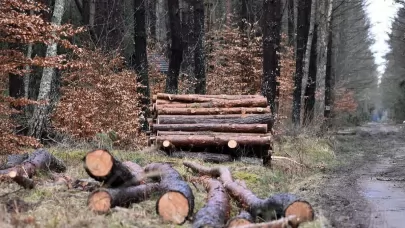
Flooded timber makes many buyers uncomfortable. Water feels unpredictable. Roads look soft. Trees appear stressed. For many investors, wet ground signals risk before any real analysis begins. That reaction is common. It’s also why flooded timber is often mispriced.
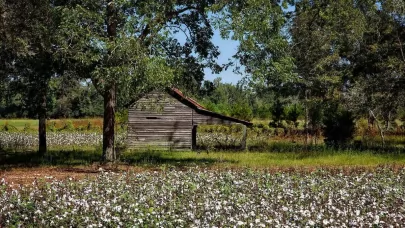
Cost-share programs provide financial assistance to landowners who implement approved conservation or land management practices. These programs are typically offered by federal and state agencies, conservation districts, or non-profit conservation organizations. Landowners identify goals for their property, decide the acreage and locations suitable for certain enhancements, and create a timeline in which these practices can be completed.
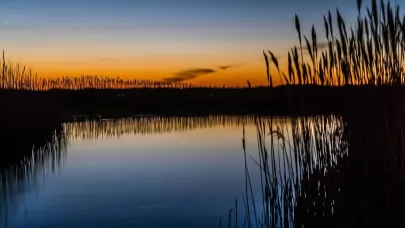
If you live in Chicago or anywhere in the upper Midwest and want your own hunting place, Mississippi deserves a hard look. The state has some of the highest deer numbers in the country, long seasons, strong turkey hunting, and serious duck hunting in the Delta.
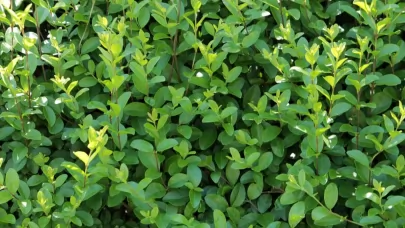
Privet, (Ligustrum sinense) known as Chinese or European Privet, is a non-native invasive thicket forming shrub that is troublesome for many landowners across the southeastern US. It has no significant wildlife or commercial value and often presents an impediment to the beneficial practice of prescribed burning. While it thrives in drainages and creek bottoms, it also persists in upland sites. It spreads by root sprouts and is also distributed by seeds via birds and small mammals. It is often present in fence rows and other sites where birds congregate and is widely adapted to a variety of sites.
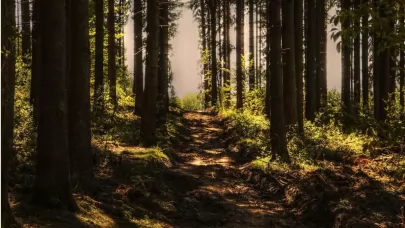
“Can you get there?” That simple question often becomes the biggest issue in buying recreational timberland.
Access is essential for any property. Without it, a tract can lose value, be difficult to finance, and create headaches for future resale. Easement problems are showing up more frequently in today’s market because the value of easements is often calculated by the total area impacted, and those numbers can be surprisingly high.
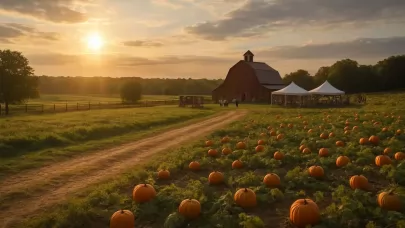
Agritourism blends agriculture with tourism, offering visitors hands-on experiences with farming, food, and rural traditions. In the Southeast, this sector has grown rapidly as farms look for ways to diversify income and communities embrace the demand for authentic, local experiences. From farm stays and U-pick orchards to corn mazes and culinary events, agritourism creates opportunities for education, entertainment, and economic growth.

This follow-up article explores four top alternate revenue options suitable for small farms in Alabama, Georgia, Florida, Mississippi, and Tennessee. Each option is presented in everyday language with rough startup needs, income potential, market tips, and trusted sources of data. These side ventures can help new investors boost profits on a modest farm without needing huge acreage.
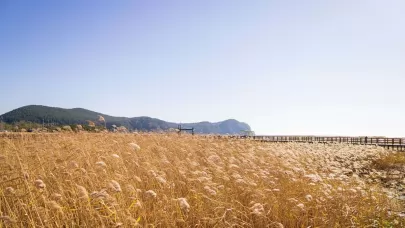
The Conservation Reserve Program (CRP) is one of the most important tools for balancing farm income with land stewardship. For new landowners, it can also be confusing. How does it work? What land qualifies? And is it worth enrolling part of your property? This guide, part of our First Farm series, explains CRP in plain language.

Starting a horse farm isn’t just about owning land—it’s about running a hands-on business with structure, routine, and long-term vision. For first-time buyers in the Southeast, offering boarding, training, and riding services is a practical way to enter the equestrian world. This entry in our First Farm Primer series breaks down what you need to know to plan, build, and manage your first horse-focused operation.

Ready to buy your first poultry farm in Alabama, Georgia, Florida, Tennessee, or Mississippi? Poultry farming is one of the most consistent income-generating investments in the Southeast. With integrator contracts, steady flock rotations, and USDA support for new growers, your first farm can serve as a foundation for long-term success.
After decades in the land business, you begin to notice what doesn’t change—no matter how much everything else does. The tools evolve, the buyers shift, and the headlines come and go. But at the heart of every deal, every handshake, every closing, there’s always been one thing: land. And lately, I’ve been thinking more about what it means to buy it, to sell it, and to help people do both—especially here in the Southeast, where the dirt runs deep in people’s lives.

There’s something deeply satisfying about building your own recreational sportfishing (bass) pond, watching it fill with rainwater, carefully stocking it with the right fish, and eventually reeling in a trophy largemouth from your own slice of land. But turning that dream into reality takes strategic planning, the right terrain, and a solid understanding of both cost and management.

Governor Kay Ivey has officially proclaimed March 2025 as Prescribed Fire Awareness Month in Alabama, emphasizing the role of fire in responsible land stewardship. Often misunderstood, prescribed fire is a proven method to reduce wildfire risks, improve habitat, and enhance Alabama’s natural ecosystems. At Tutt Land Company, we recognize fire as a powerful, strategic tool for regenerating landscapes and protecting property—benefiting both landowners and the environment.
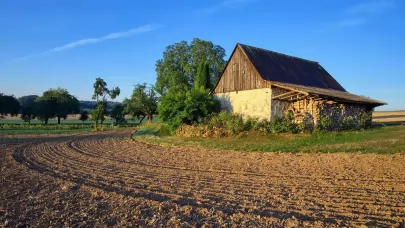
In the wake of President Trump's recent tariff announcements, economic uncertainty has surged. Investors are seeking stable assets to protect their wealth. Land investment emerges as a reliable hedge, offering tangible value and resilience against market volatility.
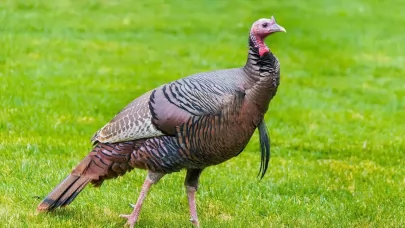
Wild turkey habitat management in the Southeast is most effective when timed with seasonal needs and biological cycles. If you're preparing your land for spring hunting or looking to improve long-term population success, understanding key strategies for habitat enhancement is essential.
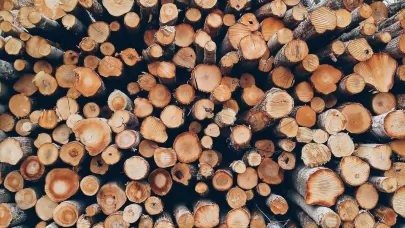
A wood basket analysis is a strategic study used to evaluate the quantity, quality, and accessibility of wood resources in a given region. For timber investors, forestry operators, and policymakers across the Southeastern United States, these analyses play a vital role in identifying the most viable locations for harvesting and processing timber. From the Appalachian foothills of Alabama to the Florida Panhandle, this region holds some of the richest and most accessible wood baskets in the country.
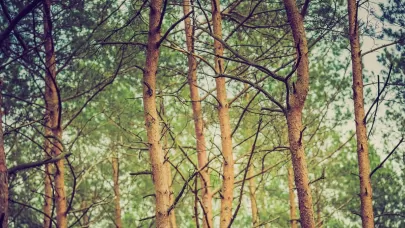
One of the greatest resources found in the southeastern United States is pine trees. This is why there's been a thriving timber industry in this region for more than a hundred years. It's an industry that not only provides jobs and stimulates the economy: It also provides a key resource in building homes and furniture.

Do you have a favorite song? We do. There's a country song by Jordan Davis called "Buy Dirt" that we love. The words say, "if you want my two cents, of making a dollar count, buy dirt." It continues with "you can thank the good Lord for it, 'cause he ain't making any more of it." We agree. That song speaks to us because land is a finite resource.
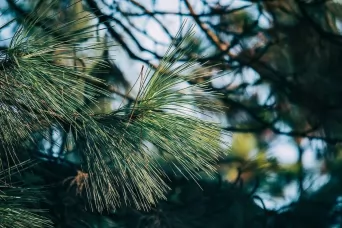
The land from East Texas to Southern Virginia was once an uninterrupted expanse of pine forest, home to diverse ecosystems made up of plants, animals, and endangered or threatened species. It is estimated there were over 90 million acres of native Longleaf pine forest in the Southeast when the country was settled.

You might have questions about the Conservation Reserve Program. We are here to answer them. Learn more about the CRP, and how it can benefit you.
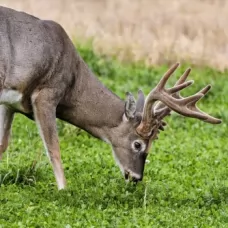
Food plots are front of mind for those in hunting and deer management. A perennial food plot could be what works best for your tract. Learn more.
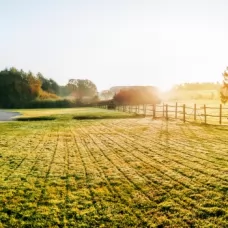
Hunters lead busy lives every season, not just hunting season. Summer offers an opportune time for hunters to do much-needed property maintenance.

With archery deer season now underway in Alabama and gun season imminent, most hunters have focused on completing food plot work and mowing access trails on their lands.
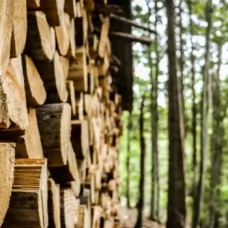
Timber owners generally have a good understanding that their timber is worth something, but don’t fully understand what that something is. But that’s important––here’s why.

People invest in land for many reasons, but many fail to realize the power of land investment as a financial strategy. Most likely, they believe that investing in rural properties is only for the super-wealthy or people who simply want to live a more rural lifestyle.
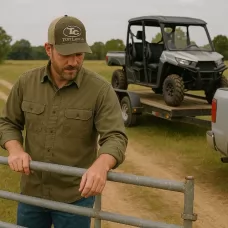
Buying and selling real estate in a rural area is a little different than in the suburbs or the city. Understanding the intricacies of hunting property and timberland is a lot different than selling homes in residential real estate. That's why we've built a special team here at Tutt Land Company. Our agents are specially selected to make sure they will be a good fit for this industry. We make sure that each real estate agent spends time with both our foresters and leadership team to learn about the potential of each property as well as the vision of our company. This is all in an effort to best serve you, our clients.
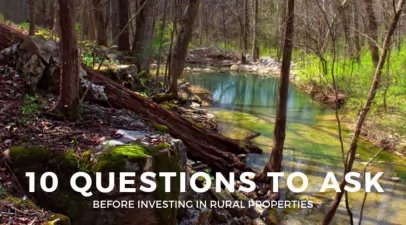
Whether your goal is to make memories or make money, it's essential to ask the right questions before buying land. If you're unfamiliar with the process, however, it's easy to feel overwhelmed.

Remember being out in the country as a kid? Toes in the red dirt, miles of rural land to explore, cookouts, and homemade ice cream with family and friends. Maybe your dad took you out on your first father/son hunting trip where you bagged your first deer and have been hunting ever since. Or perhaps, you were lucky enough to inherit the family hunting land, and it's important to you that it sells to someone who will appreciate the land as much as your family did.
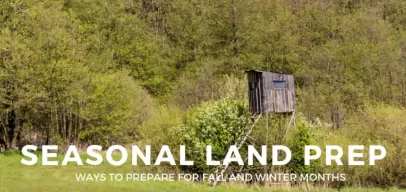
Summer in the deep south can mean many things to many people. Some folks enjoy taking vacations, traveling, or merely enjoying the summertime scenery. In the dog days of Alabama summer, the last thing people want to think about is working outside in the heat.
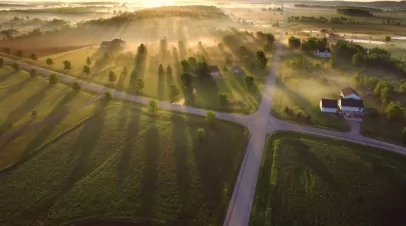
Do you own rural property? Is there a tract of land passed down to you by a family member? Did you inherit farmland or hunting property? If you fall into these scenarios, you may have thought about selling your land at one time or another.
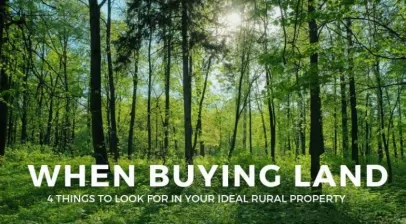
In today's busy, high-stress world, owning rural, recreational land in the Southeast is a dream which many aspire. It's the ultimate way to get away from it all.

Spring turkey season in Alabama brings more than just the sound of gobbling toms—it brings family traditions, unforgettable mornings in the woods, and the thrill of the chase. In the blooming forests of West Central and Southwest Alabama, hunters are finding success and building stories that span generations.